
Privia Security was chosen as one of Türkiye's fastest growing companies!

Privia Security was chosen as one of Türkiye's fastest growing companies!
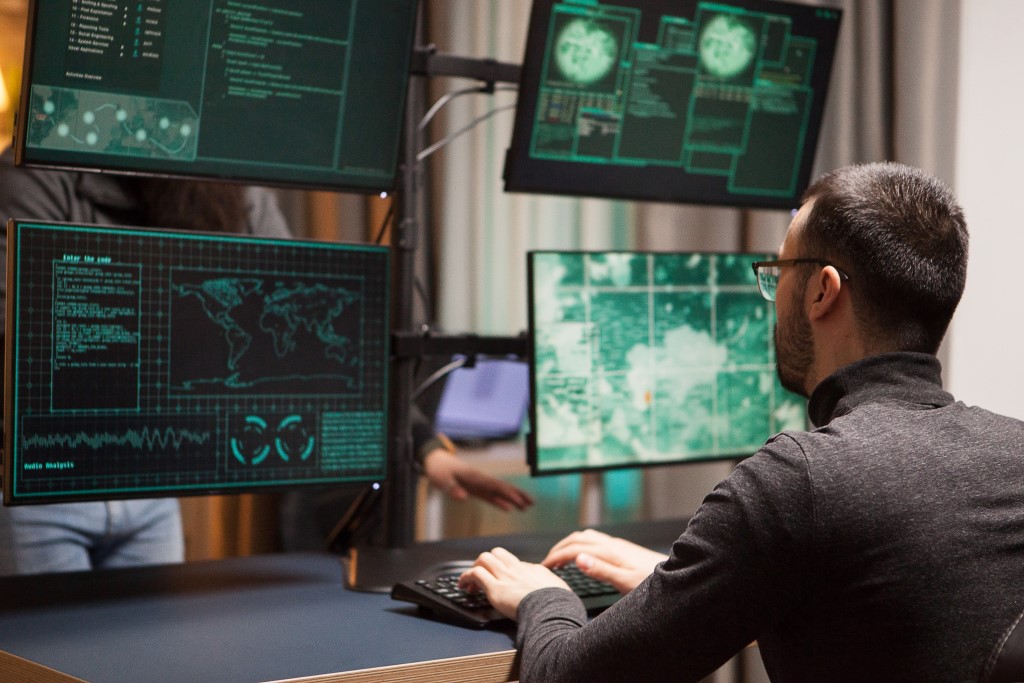
In addition to technological advancements in the cybersecurity world, cyber attackers are also continuously developing the technical methods and skills they employ, confronting us with increasingly complex and targeted attacks. For organisations, cybersecurity is less about being product-focused and more about being aware of technological developments and taking the necessary precautions before a cyber attack occurs.
When we analyse the previous year’s cyber attacks, we see cyber incidents dominated by data breaches and critical vulnerabilities. On the other hand, risks arising from new technologies such as the Deepfake threat that have emerged with technological developments are also at the forefront of the most important trends.
The previous year showed that:
Cybersecurity-related incidents were encountered frequently throughout 2020 and resulted in major data breaches at global companies. The cybersecurity risks and trends anticipated worldwide in the coming years are projected as follows.
In today’s world, phishing methods have become increasingly sophisticated and realistic. The popularity of social networks and the ability to reach millions of users within seconds naturally allows cyber attackers to be far more active in this space.
Last year, the high-profile user accounts of prominent Twitter users (Elon Musk, Bill Gates, Kanye West, Joseph R. Biden Jr., former President Barack Obama, etc.) were compromised via a social engineering attack and used to post fake tweets. Fake Bitcoin posts from the accounts quickly collected hundreds of thousands of dollars from followers in a short period of time.
According to shared Twitter reports, hackers gained access to Twitter’s support systems and tools using social engineering techniques. A phishing attack had been launched to obtain the passwords and credentials of Twitter employees.
The Marriott hotel chain suffered another data breach in January 2020. The hotel chain announced that the personal data of 5.2 million hotel guests had been stolen. This information included names, addresses, phone numbers, dates of birth and even airline loyalty information. This attack is reported to have occurred through the targeting of employees at a third-party franchised establishment.
Last year, this and many similar data breaches dominated the agenda. Many global organisations and institutions fell victim to these data breaches and had their customers’ information stolen. Among those whose information was stolen we also saw many high-profile individuals at a critical level, including journalists, government officials and FBI agents.
The consequences of data breaches are very serious and critical. Data breaches do not only affect customers and the company. Organisations are required to comply with many laws and criteria such as KVKK and GDPR, and face heavy penalties following these data breaches. In addition to severe financial consequences, long-term reputational damage such as loss of credibility and trust in the organisation also emerges, which can drive many companies to bankruptcy.
The prevalence of ransomware attacks makes it necessary for systems and security processes to always remain up to date. Off-network backups should also be considered as part of cybersecurity and cyber risk strategies. When these measures are not taken, ransomware attacks that are encountered cause major financial losses.
In October 2020, Software AG, one of Europe’s largest software vendors, suffered a ransomware attack. Part of its internal network became inoperable and customer information was compromised. In this attack, cybercriminals demanded $23 million in ransom from Software AG. The company reportedly attempted to negotiate with the hackers, but those efforts proved unsuccessful.
The gradual migration of technology infrastructure to the cloud has also increased the need for cloud-based security services. The banking and financial services sector has been the largest sector to benefit from cloud-based security services. This also whets the appetite of cyber attackers. According to Persistence Market Research, the global public cloud management and security services market was expected to reach $26.41 billion by the end of 2022. We are seeing significant developments in cloud-based security in many areas, from advanced protection performance and high threat intelligence to industry and government security regulations and standards.
The cybersecurity industry, as expected, has begun to leverage artificial intelligence to counter constantly evolving threats. The antivirus sector has moved to using AI to scan emails to identify social engineering or phishing attacks, to automate network data analysis for continuous monitoring, and to detect applications exhibiting unusual behaviour. Attackers are also exploiting these very same AI technologies for malicious purposes, using them to conduct more sophisticated and targeted attacks.
Deepfake technology, which allows for the creation of highly convincing fake video and audio content, represents an emerging threat in the cybersecurity landscape. Attackers can use deepfakes to impersonate executives or officials to authorise fraudulent transactions, spread misinformation or manipulate public opinion. As the technology becomes more accessible, the risk of its misuse in cyberattacks and social engineering campaigns continues to grow.
Organisations that have suffered major losses from cyber attacks have begun turning to cyber insurance services to manage their cybersecurity risks. This trend is expected to continue growing as the frequency and severity of cyber incidents increases.
You May Be Interested In These