

Privia Security was chosen as one of Türkiye's fastest growing companies!

Privia Security was chosen as one of Türkiye's fastest growing companies!
Stop Illegal Eavesdropping!
Our Bug Sweeping Service detects and removes hidden surveillance devices in offices, vehicles, and private spaces—protecting confidentiality and preventing data leaks.
Our Bug Sweeping Service is designed to detect and eliminate hidden surveillance devices such as microphones, cameras, and data transmitters in offices, meeting rooms, vehicles, and private living spaces. In a world where technology is increasingly accessible, protecting the confidentiality of corporate environments and high-level executives is more critical than ever.
Using advanced scanning tools and techniques—including RF detectors, thermal imaging, and magnetic field analysis—we identify unauthorized devices that could compromise personal privacy or corporate security.
Bug sweeping ensures that confidential meetings, strategic discussions, and sensitive data remain secure.
This service is particularly vital during high-level negotiations, board meetings, or in executive residences and vehicles, where privacy breaches can have serious consequences.
Whether safeguarding financial strategies, business plans, or private life, our service helps detect and remove covert threats, giving you peace of mind and control over your personal and professional spaces. Our Bug Sweeping Service is a proactive step toward securing your environment from unlawful surveillance, reinforcing trust and privacy at every level.
The Power Behind Industry Leaders
The radio frequency (RF) scanning method is used to detect signals emitted by covert listening devices. The scanning process analyzes the radio frequencies used by hidden devices to communicate. As a result of the scan, devices operating outside designated frequencies in the environment are detected. RF scanning ensures the effective identification of covert surveillance equipment.
Thermal camera imaging enables the detection of hidden cameras or listening devices through their heat emissions. Since electronic devices emit heat while operating, hidden equipment can be quickly located using thermal cameras. This scanning method has the advantage of detecting devices embedded in walls or furniture. Thermal cameras are especially important for detecting low-frequency or passively operating devices.
Magnetic field detectors identify covert devices by sensing the magnetic fields they emit. Surveillance devices generate small magnetic fields while in operation, which are detected using these sensors. Magnetic field detectors are particularly effective in locating devices concealed in metal surfaces or tight spaces. Magnetic field scanning operates with high sensitivity and quickly reveals the presence of hidden equipment.
Acoustic analysis is a method used to detect covert listening devices based on sound transmission. Devices may emit specific frequency signals while capturing and transmitting audio. These deviations in sound waves are analyzed to identify the presence of covert devices. This method is especially used to detect listening devices that focus on audio transmission. Acoustic analysis provides high accuracy in identifying hidden microphones and voice recorders.
Electromagnetic field scanning is used to detect hidden devices by capturing the EM waves emitted by electronic equipment. Surveillance devices emit distinct electromagnetic waves while operating, which can be detected with specialized scanners. EM scanning is particularly effective for identifying high-frequency and constantly transmitting devices. This method scans various frequency ranges to detect hidden surveillance devices.
During the bug sweeping process, our experts conduct a detailed inspection of physical objects and surfaces in the environment. Physical checks are performed to identify hidden devices that may have been placed inside walls, furniture, sockets, or other concealable areas. Visual inspections are especially important for detecting devices hidden in mechanical structures or connected to cables installed in the area—often utilizing electrical sources. These physical inspections prevent devices from being overlooked through manual methods.
The physical and electronic scanning method aims to detect hidden devices using both mechanical tools and electronic equipment. Devices that are not visible to the eye or difficult to detect manually are examined using electronic detection instruments. Metal detectors, ultrasonic scanners, and other electronic tools are used to identify the presence of surveillance equipment. This method accelerates the identification of embedded or concealed devices.
Semiconductor scanning is used to detect semiconductor components found inside covert surveillance devices. Since most hidden listening and monitoring devices rely on semiconductor technology, these scanners can directly detect their presence. Semiconductor scanning is effective for identifying both low- and high-frequency devices. This method can detect devices without requiring them to emit any energy and is frequently used for small, passively operating surveillance tools.
Infrared scanning detects low-level infrared radiation emitted by hidden devices. It is particularly effective in locating passive devices operating at low frequencies and tracks heat emissions via infrared sensors. Infrared scanning is used to detect devices hidden in surfaces such as walls or furniture. Like thermal scanning, it analyzes energy levels generated by devices while in operation.
Frequency scanning detects hidden devices by analyzing signals emitted at various frequencies. Covert surveillance devices typically operate within specific frequency ranges, and abnormal signal patterns are identified through this scan. Frequency scanning is a reliable method for quickly locating hidden devices. The scan results provide information about which devices are active and the signals they emit, enabling rapid detection across different frequency ranges.
Line and cable scanning is used to examine concealed wires and cables within walls or under floors. Hidden listening devices often rely on existing lines for power or data transmission. Analyses conducted on these lines focus on detecting the connections and communication links of surveillance devices. This method identifies tampering or manipulations on the building’s electrical and data lines.
Optical scanning is a process that analyzes light wavelengths to detect hidden cameras and optically based surveillance devices. These hidden devices may emit light within specific wavelengths, which can be captured by optical scanners. Optical scanning is especially effective in quickly locating concealed cameras, listening devices, and data collection tools. It is a critical component in ensuring security in areas where image recording equipment may be present.
Before the service, a preliminary evaluation is conducted based on the type of environment to be scanned and its specific security requirements. The physical characteristics and dimensions of the area are analyzed to determine the appropriate scanning equipment.
Radio frequency (RF) and electromagnetic (EM) signals are scanned to detect transmissions from hidden devices. Signal patterns in the environment are analyzed, and any irregular or suspicious activity is recorded.
Sockets, furniture, ceilings, and wall interiors—commonly used as hiding spots—are thoroughly examined. Physical inspection helps detect concealed devices that may not be identified by electronic scans alone.
All findings are presented in a detailed report, including any devices discovered. The report also outlines recommended actions and measures to mitigate security risks.
By detecting hidden surveillance devices, the risk of private information leakage is reduced for individuals and organizations. Prevent privacy violations in meeting rooms, executive offices, homes, and vehicles.
To build an effective cyber defense layer, it is essential to understand the mindset and techniques of adversaries. Discover Privia Security — trusted by Turkey’s leading organizations for its expertise and comprehensive cybersecurity solutions.
Since 2018, our expert team has been delivering high-level security services, solutions, and training—consistently committed to excellence and tailored to meet the evolving needs of our clients.
Personalized solutions tailored to the specific needs of organizations enable you to achieve your security objectives in the most effective manner.
Continuous support is provided not only during the service engagement but also afterward, ensuring uninterrupted security and safeguarding business continuity at all times.
By utilizing the latest technologies and industry best practices, we ensure that organizations’ digital assets are protected at the highest level of security.
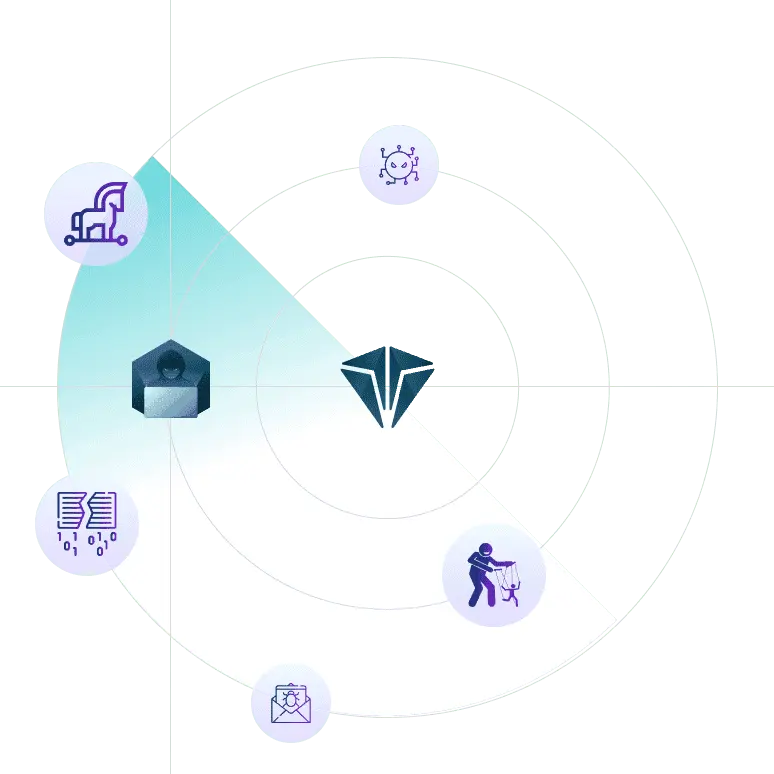
We aim to ensure your business’s security and continuity in the digital world by delivering expert cybersecurity solutions. We develop robust defense strategies to protect against evolving technological threats.
Our Digital Forensics Service processes collected data in compliance with legal standards, delivering court-admissible digital evidence. Evidence handling and security protocols are implemented to preserve integrity and ensure legal validity.
Case investigation reveals the origin, techniques, and propagation method of cyberattacks. Through in-depth analysis, the attacker’s activities and movements within the systems are accurately identified and documented.
A rapid and effective forensic process supports post-incident recovery efforts, enabling uninterrupted business operations. Steps such as data recovery and system restoration help retrieve lost or damaged information.
Timely and efficient forensic intervention reduces the financial impact of cyberattacks. Rapid threat detection and data recovery processes help minimize potential data losses.
You can download the document to obtain detailed information about our service.

Meet the expert team at Privia Security and let us conduct the essential initial analysis to elevate your organization’s cybersecurity maturity.
The collection and preservation of digital evidence is a cornerstone of justice. Our digital forensics service ensures legally admissible evidence against cyber threats.
Timely response to cyber threats is critical. Rapid intervention minimizes impact, prevents data leaks, and halts the spread of cyberattacks.
Our Secure Data Erasure Service eliminates sensitive data permanently using advanced deletion methods, minimizing the risk of data leaks and compliance breaches.
Our Bug Sweeping Service detects and removes hidden surveillance devices in offices, vehicles, and private spaces—protecting confidentiality and preventing data leaks.
The bug sweeping service ensures environmental security by detecting hidden listening devices (spy bugs), cameras, or data collection equipment. This service is particularly vital for organizations, executives, business professionals, and institutions that host high-confidentiality meetings. Bug sweeping is not limited to corporate environments—it is also conducted in private spaces such as homes and vehicles to protect personal privacy. It is critical for preventing competitors from accessing sensitive information and ensuring secure communication environments.
Listening devices capture sound waves and transmit them to a specific receiver. Since spy devices can operate on various frequencies, advanced frequency analysis tools are required for detection. During a bug sweep, professional equipment such as RF (radio frequency) scanners, thermal cameras, and electromagnetic detectors is used to locate hidden devices. Due to their small size, many listening devices are not visible to the naked eye. Therefore, comprehensive scans must be performed by experts using specialized tools. After the operation, detected devices are documented in a security report and, if needed, removed from the environment.
Bug sweeping is carried out using professional tools such as RF scanners, thermal imaging cameras, magnetic field detectors, electromagnetic analyzers, and optical scanners. Each tool is designed to detect different types of covert surveillance devices. Frequency analyzers identify signals emitted by hidden devices, while thermal cameras detect heat signatures. Magnetic detectors are effective for locating metal-based devices embedded in surfaces. Optical scanners help identify hidden cameras and devices that emit specific light wavelengths.
The duration of a bug sweeping service depends on the size of the area and the potential number of hidden devices. In small spaces like offices or vehicles, the process may take a few hours, while large buildings, executive offices, or conference rooms may require several days for a thorough sweep. Every section is meticulously examined, and all frequency ranges are scanned to ensure a reliable and comprehensive result.
Bug sweeping can be performed in offices, meeting rooms, vehicles, homes, hotels, and other private or public spaces. It is particularly necessary in environments where sensitive discussions take place, confidential information is stored, or personal privacy must be ensured. Organizations often schedule routine scans for executive offices or strategic meeting rooms. Individuals may request the service to secure their homes or vehicles from covert surveillance threats.
During the bug sweeping process, a comprehensive scan is carried out using various advanced tools to ensure all hidden devices are detected. RF scanners, thermal cameras, and acoustic analysis equipment are employed to analyze all electronic signals in the environment. Additionally, physical areas where devices may be concealed are manually inspected. After the scan, any discovered devices are safely neutralized and removed from the area.
The frequency of bug sweeping depends on the security requirements of the environment. For organizations hosting sensitive meetings and their top-level executives, it is recommended to perform such sweeps at least 12 times per year. Individuals may also benefit from this service if they suspect a breach of privacy in their private spaces. In areas where confidentiality is critical or sensitive information is shared, regular and scheduled inspections are essential. Particularly in high-security environments, continuous monitoring for hidden devices is necessary.
The cost of a bug sweeping service varies depending on the size of the area, the number of tools used, and the scope of the inspection. Scans in smaller spaces tend to be more cost-effective, while inspections in larger, complex areas requiring advanced equipment are priced according to service requirements. Pricing is typically determined based on the type of sweep performed, the complexity of the environment, and the client’s specific needs.
When conducting a bug sweep in a home or workplace, professional tools are used to scan the environment and detect signals emitted by hidden devices. RF detectors and electromagnetic scanners capture the emissions from potential threats. Thermal and infrared cameras help locate hidden devices by identifying heat signatures and infrared radiation. Throughout the process, specific attention is paid to walls, power outlets, and furniture. These steps ensure the area is cleared of unauthorized surveillance devices, creating a secure environment.
Without a bug sweeping service, the risk of information leakage through hidden surveillance devices increases significantly. For organizations, this may lead to the loss of competitive advantage or exposure of strategic confidential data. For individuals, it could result in a breach of personal privacy and the unauthorized disclosure of sensitive information. If these devices operate undetected, there is a high likelihood that critical data may be transmitted to unauthorized third parties.


