
Privia Security was chosen as one of Türkiye's fastest growing companies!

Privia Security was chosen as one of Türkiye's fastest growing companies!
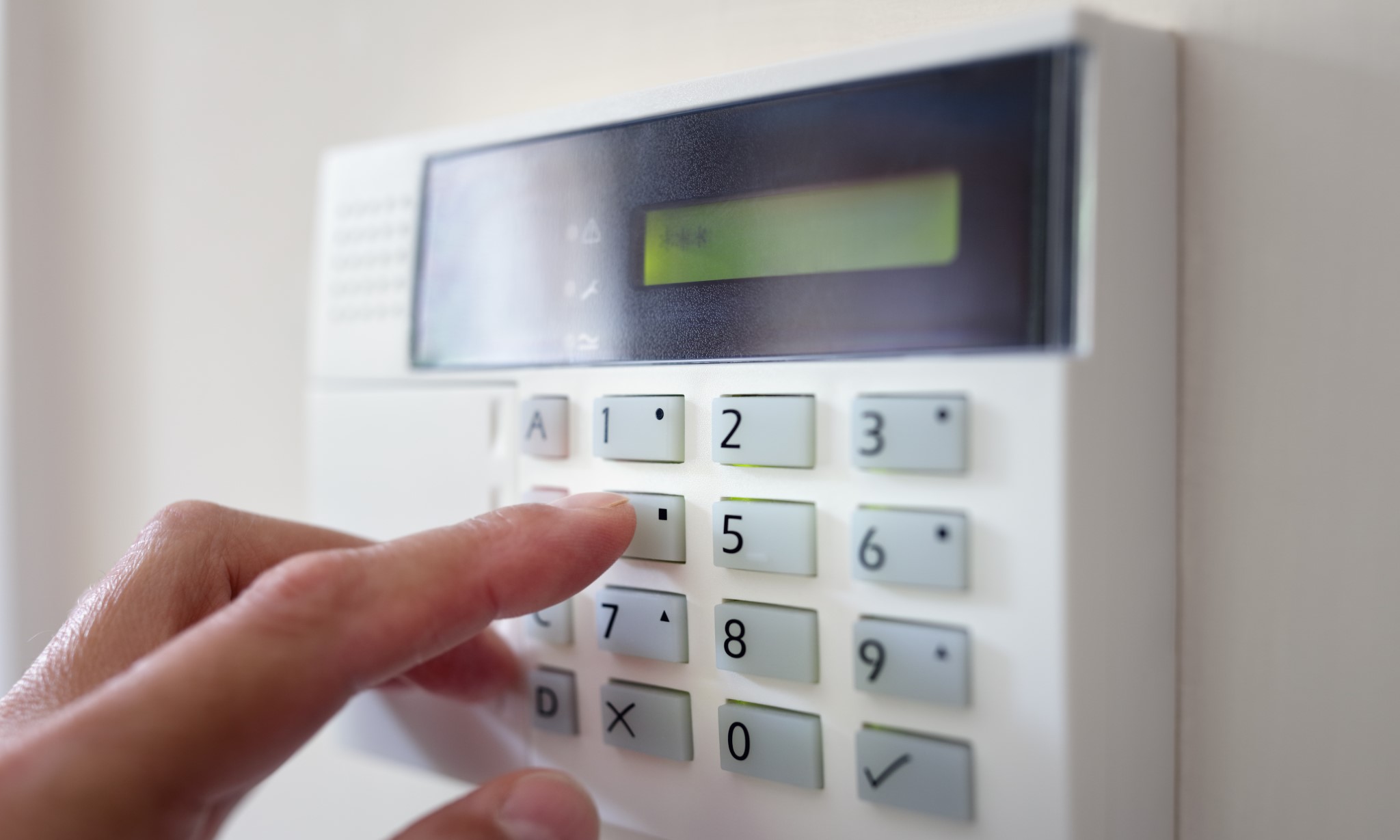
Physical security is a multifaceted subject. The most obvious challenge starts with physically securing machines. But beyond that, we also need to think about issues such as controlling access to your building and knowing how to respond to fires. At this point, monitoring systems such as alarms and cameras also emerge as part of physical security.
Physical security begins with securing access to the building, then extends to controlling access to the systems and equipment within. Physical equipment security covers the following areas:
Controlling who can enter and exit the building is an important part of physical security. Access control systems include:
Monitoring systems are used to detect and record security incidents:
Physical security also includes protection against natural disasters and other physical threats. Plans should be in place for scenarios such as fire, flood, earthquake, and power outages. Regular backups and offsite backup storage are important components of business continuity.
Physical security is not limited to technical controls alone. Social engineering attacks can be used to bypass physical security measures. Tactics such as tailgating (following an authorized person through a door), impersonation, and pretext calls can be used to gain unauthorized physical access. Raising employee awareness and conducting regular training are essential for defending against these threats.
Physical security forms the foundation of an organization’s overall security posture. No matter how strong your cybersecurity measures are, a physical breach can render all of your digital security efforts meaningless. Therefore, physical and digital security must be considered holistically and managed in an integrated manner.
You May Be Interested In These