

Explore our new Cybersecurity Terms Glossary, explained by our experts.

Explore our new Cybersecurity Terms Glossary, explained by our experts.
Cybersecurity Terms Glossary
802.1X is the IEEE standard for port-based network access control. Until a device authenticates, the switch port carries nothing but the authentication exchange itself.
What Is 802.1X?
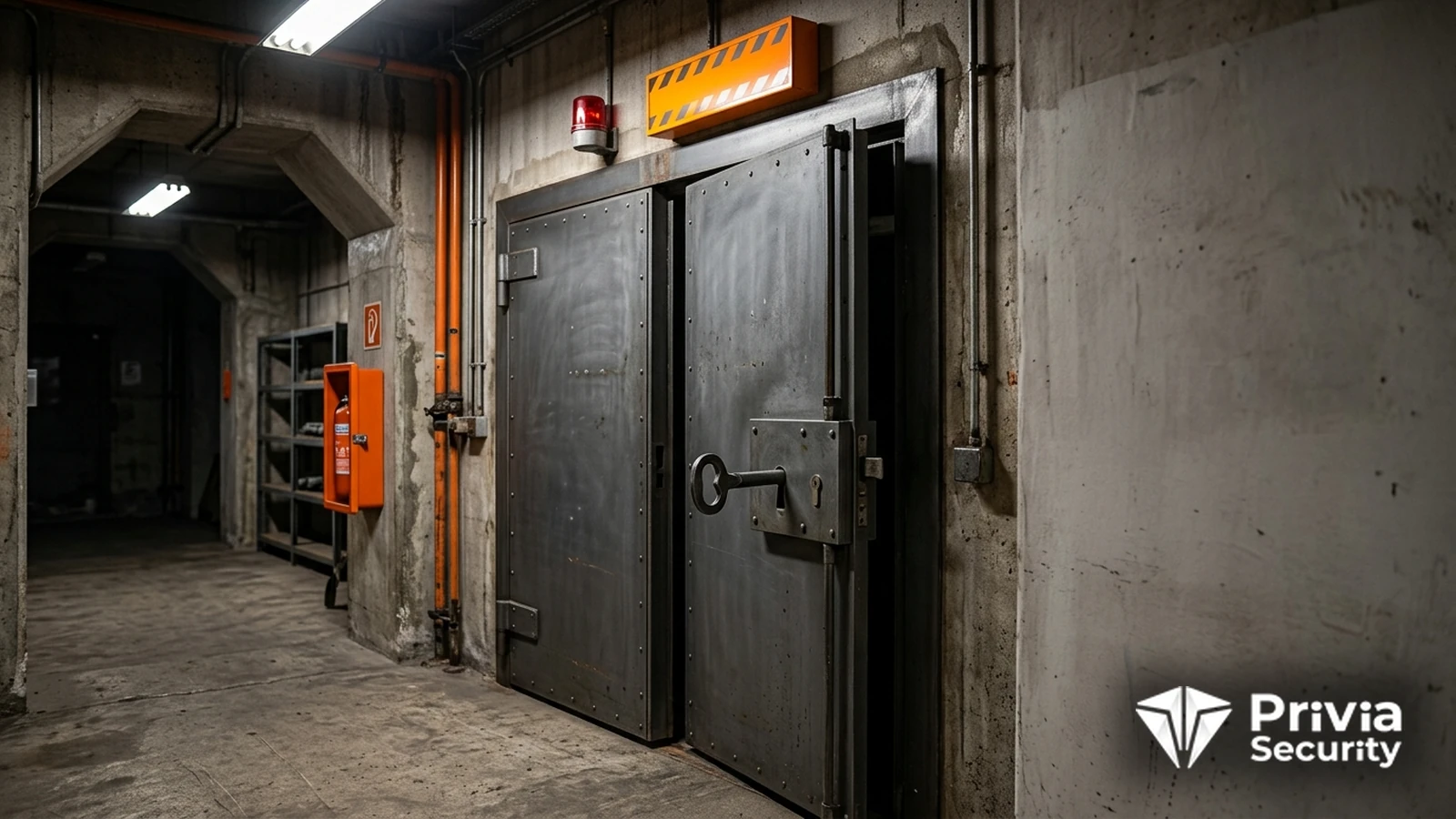
802.1X turns a network port—a wall socket or a wireless association—into a locked door. Until the device on the other side proves who it is, the switch forwards nothing but the authentication conversation. No DHCP lease, no ARP, no route to anywhere. The standard is an IEEE one, last revised as 802.1X-2020, and it underpins almost every serious wired and enterprise Wi-Fi deployment.
The design separates the device that wants in, the device that enforces the decision, and the system that makes it. The supplicant is software on the endpoint: the native Windows, macOS, or Linux 802.1X client, or a wpa_supplicant build on an embedded device. The authenticator is the switch or access point. The authentication server is almost always RADIUS—Microsoft NPS, Cisco ISE, Aruba ClearPass, or FreeRADIUS.
Supplicant and authenticator speak EAPOL, which is EAP carried directly in Ethernet frames before any IP configuration exists. The authenticator repackages those EAP messages inside RADIUS and relays them. It never inspects the credential material. That separation is the point: a switch in a branch office needs no password database and no certificate trust decisions, only a shared secret with the server.
802.1X stops an unauthenticated device from joining. It does not, on its own, stop a patient attacker with physical access.
The usual failure mode of an 802.1X programme is not a breach, it is a Monday morning with 400 people unable to log in. Deploy in stages. Start in monitor mode, where the server logs the decision but the port authorises regardless, and run it long enough to find every device that has no supplicant. Move to low-impact mode, where unauthenticated devices land in a restricted VLAN with access to remediation services only. Close the port last.
Favour EAP-TLS. Certificates remove the password from the wire entirely, and they let you tie network access to a device identity you issued, which is the practical foundation of zero trust on the wired estate. Budget for the certificate lifecycle before you commit: enrolment, renewal, and revocation for every laptop, phone, and meeting room display. Also decide what happens when the RADIUS server is unreachable, because the default on many switches is to fail closed, and an entire site losing network access during a server patch window is an avoidable incident.
Treat the exception list as a security register rather than an operational convenience. Review it quarterly, pin MAB entries to specific ports and VLANs, and apply ACLs so that a spoofed printer can reach the print server and nothing else. The NCSC’s device security guidance is a reasonable reference point for the wider device assurance picture that 802.1X sits inside.
At Privia Security, we test wired and wireless access control—including bridge and MAB bypasses—as part of our network security services.
WPA2-Enterprise and WPA3-Enterprise use 802.1X as their authentication framework, so every enterprise Wi-Fi user is already using it. The difference is the medium. On Wi-Fi, 802.1X also produces the keying material that encrypts the radio link. On wired Ethernet it only authorises the port, and the traffic afterwards is unencrypted unless you add MACsec.
Use MAC Authentication Bypass, but treat each entry as an accepted risk rather than a solved problem. Pin the MAC address to a specific switch port, assign a dedicated VLAN, and apply an ACL that limits the device to the handful of destinations it genuinely needs. Review the list on a schedule and remove entries for decommissioned hardware.
No. On wired networks it authorises the port and then steps aside, so frames travel in clear text exactly as they would without it. If you need confidentiality and integrity on the wire, add MACsec, which uses the MACsec Key Agreement protocol to derive keys from the 802.1X session. On Wi-Fi, the encryption comes from WPA rather than from 802.1X itself.
EAP-TLS, if your certificate infrastructure can support it. It removes passwords from the authentication exchange, resists the rogue access point attacks that harvest PEAP-MSCHAPv2 hashes, and gives you a device identity you can revoke. PEAP is simpler to start with, but it is only as strong as client-side server certificate validation, which is routinely misconfigured or switched off.
You May Be Interested In These


We use a few cookies that are needed to make this website work, and they are always on. We would also like to set analytics cookies, to see which pages are useful; functional cookies, so that our live chat works; and advertising cookies, to measure our campaigns. We will not set any of those until you say yes, and you can change your mind at any time from the Cookie Settings link in the footer.
Choose the cookies you are happy for us to use. Strictly necessary cookies are always on; everything else is off until you turn it on.
These cookies keep the website working: they hold your security checks, your form submissions and the choice you make here. The site cannot run without them, so they are always on.
These let our live chat open and remember your conversation, and let the newsletter sign-up work. Switch them off and the chat window will not appear.
These tell us which pages are read and how people find us, so that we can improve the site. The reports are about groups of visitors, never about you personally.
These let us measure our advertising and show you our adverts on other websites, such as LinkedIn, Google and Meta. Switch them off and you will still see adverts, but they will be less relevant.


