

Explore our new Cybersecurity Terms Glossary, explained by our experts.

Explore our new Cybersecurity Terms Glossary, explained by our experts.

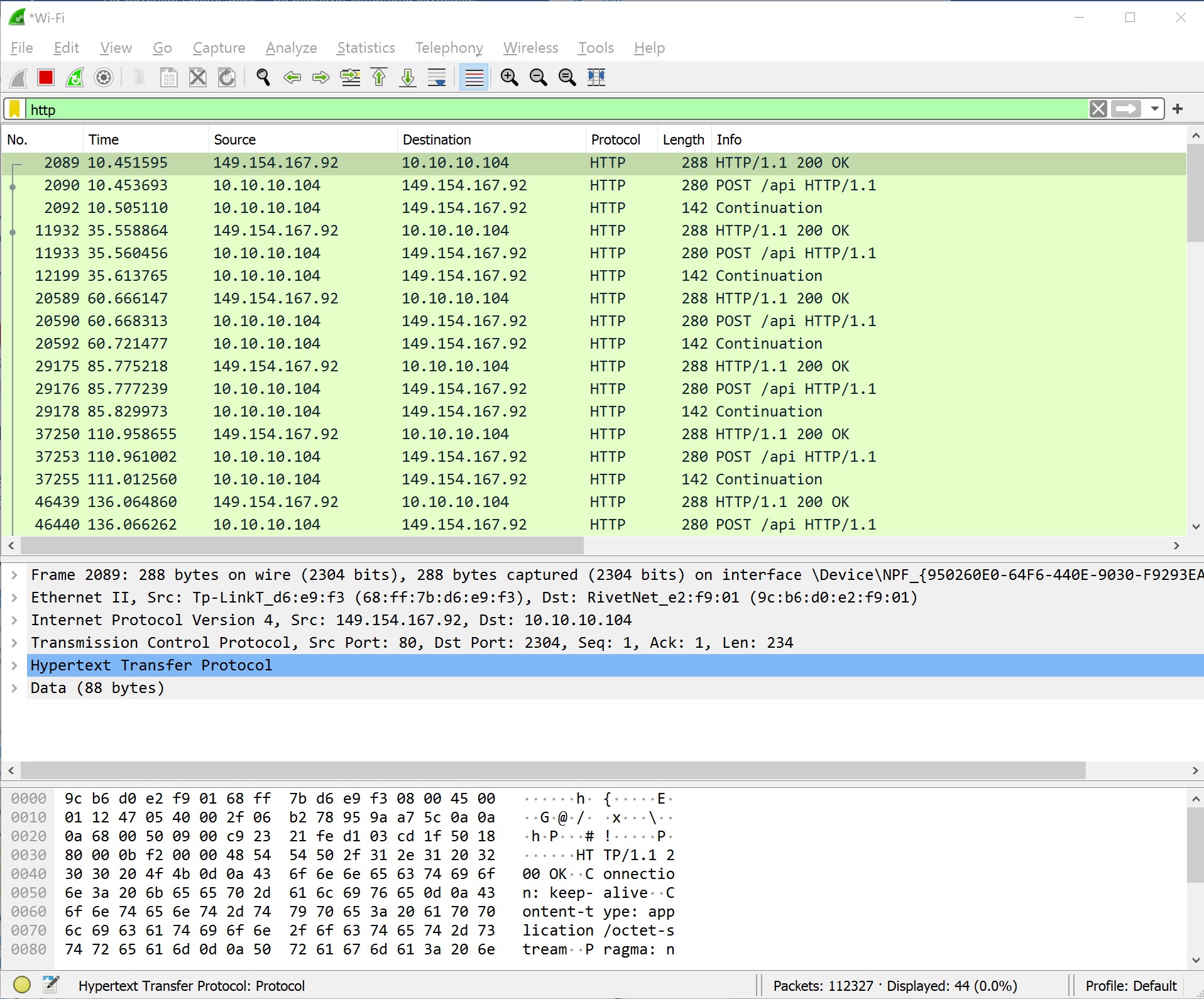
Application layer DDoS attacks, as the name suggests, target layer 7 in the OSI model. It is a type of DDoS attack carried out at the highest layer using common methods such as HTTP GET and HTTP POST. We would like to note that it is an effective attack because it aims to exhaust server resources at the application layer rather than network resources.
In this type of attack, API servers are targeted and taken out of service by exhausting server resources. Even without a login, a request received from a client by an API server can often cause it to make database queries or other API calls.
In this situation, if the request coming to the server is made via a botnet attack, its impact is amplified and the server can be prevented from responding. Let us consider a web server that requires login — when you make a request, you are asked for a username and password. This request waits on the server and consumes very few resources. However, many queries are sent to the database during this process. Even if the login attempt fails, a server receiving requests from a botnet network can become unable to respond to hundreds of thousands of login operations.
Stopping or mitigating this type of attack is a very difficult task. You are forced to distinguish between attack traffic and genuine traffic. Especially in situations where an HTTP FLOOD attack is being carried out against the victim’s server, every incoming request can appear legitimate — because the first step has been taken and it arrives in the same way as real traffic.
Generally, traffic limiting operations based on specific rule sets are used. It becomes necessary to develop custom strategies and use security applications such as WAF. Even if your network traffic can handle very large volumes, your application server will have difficulty performing these operations.
Another commonly used method is the use of CAPTCHA for operations such as logging in. Similar tests can also be performed during account creation processes to mitigate many attacks.
You May Be Interested In These


We use a few cookies that are needed to make this website work, and they are always on. We would also like to set analytics cookies, to see which pages are useful; functional cookies, so that our live chat works; and advertising cookies, to measure our campaigns. We will not set any of those until you say yes, and you can change your mind at any time from the Cookie Settings link in the footer.
Choose the cookies you are happy for us to use. Strictly necessary cookies are always on; everything else is off until you turn it on.
These cookies keep the website working: they hold your security checks, your form submissions and the choice you make here. The site cannot run without them, so they are always on.
These let our live chat open and remember your conversation, and let the newsletter sign-up work. Switch them off and the chat window will not appear.
These tell us which pages are read and how people find us, so that we can improve the site. The reports are about groups of visitors, never about you personally.
These let us measure our advertising and show you our adverts on other websites, such as LinkedIn, Google and Meta. Switch them off and you will still see adverts, but they will be less relevant.


