

Explore our new Cybersecurity Terms Glossary, explained by our experts.

Explore our new Cybersecurity Terms Glossary, explained by our experts.
Cybersecurity Terms Glossary
LSASS memory dumping extracts the credentials Windows keeps in the Local Security Authority process, handing an attacker password hashes and Kerberos tickets for every logged-on account.
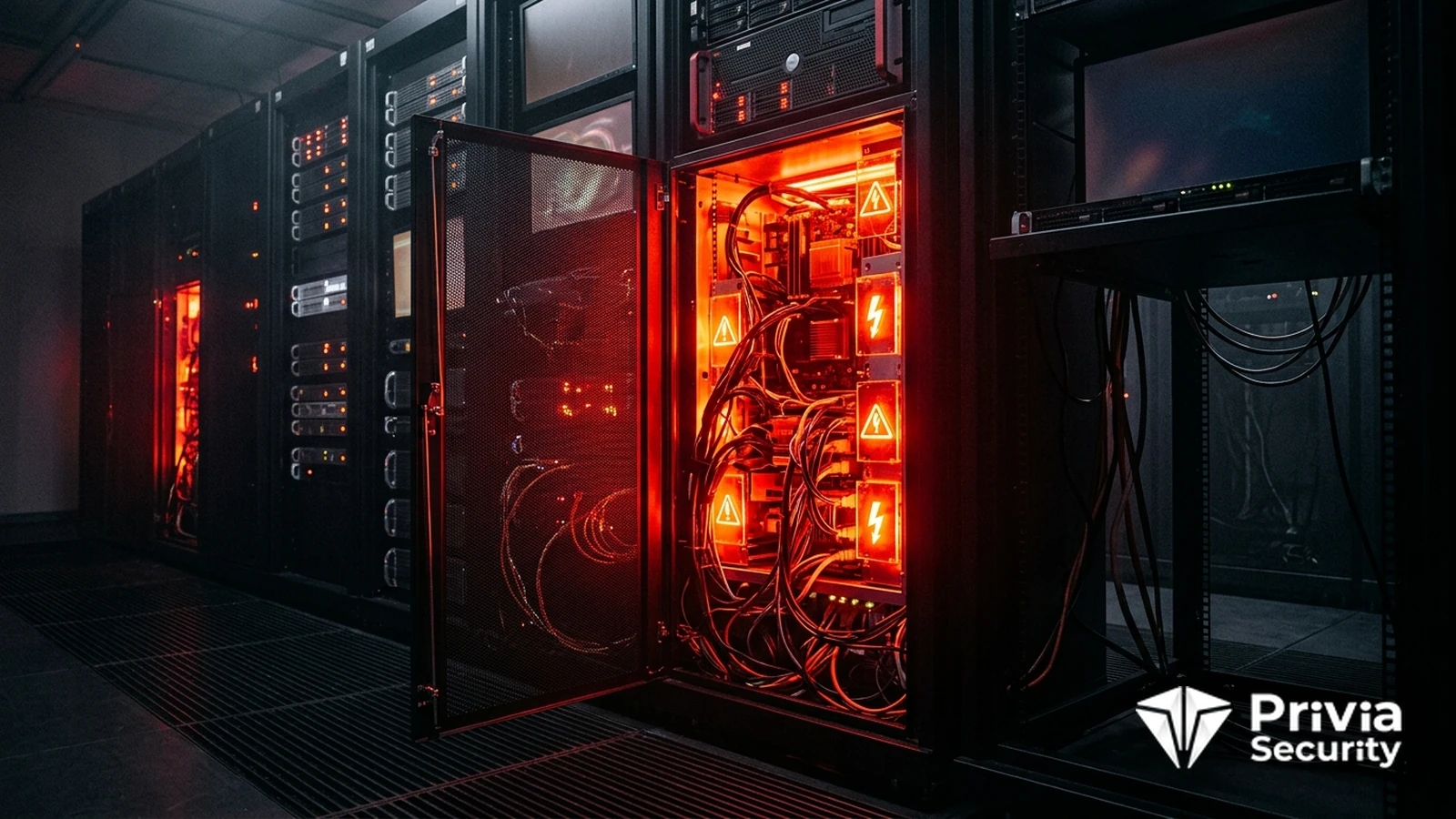
What Is LSASS Memory Dumping?
The Local Security Authority Subsystem Service, lsass.exe, is the Windows process responsible for authentication. To spare users from retyping their password for every network resource, it keeps credential material in memory for each active logon session: NTLM hashes, Kerberos tickets and session keys, certificates, and—on older or badly configured systems—plaintext passwords. Reading that memory is one of the most valuable things an attacker can do on a compromised Windows host, and it is catalogued in MITRE ATT&CK as T1003.001.
A workstation is rarely interesting in itself. What makes it valuable is who has logged on to it. A help desk engineer who connected last Tuesday to fix a printer leaves their credentials in that machine’s LSASS memory. If that account is a member of a privileged group, dumping LSASS converts a routine endpoint compromise into domain-wide access, usually via pass-the-hash or pass-the-ticket, with no password cracking required.
This is the reason tiered administration exists. It is also why credential dumping appears in almost every ransomware intrusion report: the technique is the bridge between initial access and the privileges needed to reach backups and hypervisors.
All of these require local administrator or SYSTEM rights first.
sekurlsa::logonpasswords parses LSASS memory directly and prints credentials for every session.-ma lsass.exe writes a minidump that is carried off the host and parsed offline on the attacker’s own machine. The binary is Microsoft-signed, which makes it a classic living-off-the-land choice.MiniDump function, invoked through rundll32. No tool is dropped at all.Several controls stack usefully, and none is sufficient alone.
Credential Guard is the strongest. It uses virtualisation-based security to move secrets into an isolated process that the normal kernel cannot read, so a dump of LSASS yields encrypted blobs rather than usable hashes. It is enabled by default on Windows 11 Enterprise 22H2 and later for clean installs, but frequently absent on upgraded estates and on servers.
LSA Protection, set through the RunAsPPL registry value, runs LSASS as a protected process so that unprotected code cannot open a handle to it. It is bypassable by an attacker willing to load a vulnerable driver, but it eliminates the easy methods.
The attack surface reduction rule “Block credential stealing from the Windows local security authority subsystem service” in Microsoft Defender blocks the common handle requests and is quick to deploy in audit mode first.
Configuration hygiene matters too: disable WDigest so plaintext passwords are not cached, add administrators to the Protected Users group, and apply the principle of least privilege so that privileged accounts never log on to ordinary workstations in the first place.
Detection focuses on who opens a handle to LSASS and with what access rights:
lsass.exe with GrantedAccess values such as 0x1010, 0x1410, or 0x143a, which correspond to the read combinations dumping tools need..dmp files, particularly in C:\Windows\Temp or a user profile.rundll32 command lines referencing comsvcs.dll and MiniDump, which have no legitimate interactive use.Expect legitimate noise from antivirus products, backup agents, and monitoring tools, so baseline the normal set of processes that touch LSASS in your environment before alerting. Tuning that baseline is routine work for a security operations centre, and it is work our SOC Maturation Services do alongside your own team.
Not by default on supported Windows versions. WDigest authentication, which cached plaintext credentials, has been disabled since Windows 8.1 and Server 2012 R2, though an attacker with administrator rights can re-enable it through the registry and wait for the next logon. Even without plaintext, the NTLM hashes and Kerberos tickets held in LSASS are directly reusable, so the process remains a high-value target.
It raises the bar but can be defeated. RunAsPPL stops unprotected user-mode code from opening a handle to LSASS, which blocks the common tools. An attacker who loads a vulnerable signed driver can strip the protection flag from kernel space, a technique seen regularly in ransomware intrusions. Pair LSA Protection with Credential Guard, driver blocklisting, and detection on driver loads.
Yes, because the detection focuses on behaviour rather than the binary. Whatever tool is used must open a handle to lsass.exe with read access to its memory, which produces a Sysmon Event ID 10 or an object access audit event. Watching for that handle request, combined with alerting on dump file creation, catches ProcDump, Task Manager, and comsvcs.dll equally.
Treat every credential that had an active session on that host as compromised. Reset the passwords of those accounts, revoke Kerberos tickets by resetting the affected computer account, and if any privileged account was present, plan a wider recovery including the KRBTGT reset. Then investigate how administrator rights were obtained on the host, because the dump is a symptom rather than the root cause.
You May Be Interested In These



We use a few cookies that are needed to make this website work, and they are always on. We would also like to set analytics cookies, to see which pages are useful; functional cookies, so that our live chat works; and advertising cookies, to measure our campaigns. We will not set any of those until you say yes, and you can change your mind at any time from the Cookie Settings link in the footer.
Choose the cookies you are happy for us to use. Strictly necessary cookies are always on; everything else is off until you turn it on.
These cookies keep the website working: they hold your security checks, your form submissions and the choice you make here. The site cannot run without them, so they are always on.
These let our live chat open and remember your conversation, and let the newsletter sign-up work. Switch them off and the chat window will not appear.
These tell us which pages are read and how people find us, so that we can improve the site. The reports are about groups of visitors, never about you personally.
These let us measure our advertising and show you our adverts on other websites, such as LinkedIn, Google and Meta. Switch them off and you will still see adverts, but they will be less relevant.


