

Privia Security was chosen as one of Türkiye's fastest growing companies!

Privia Security was chosen as one of Türkiye's fastest growing companies!
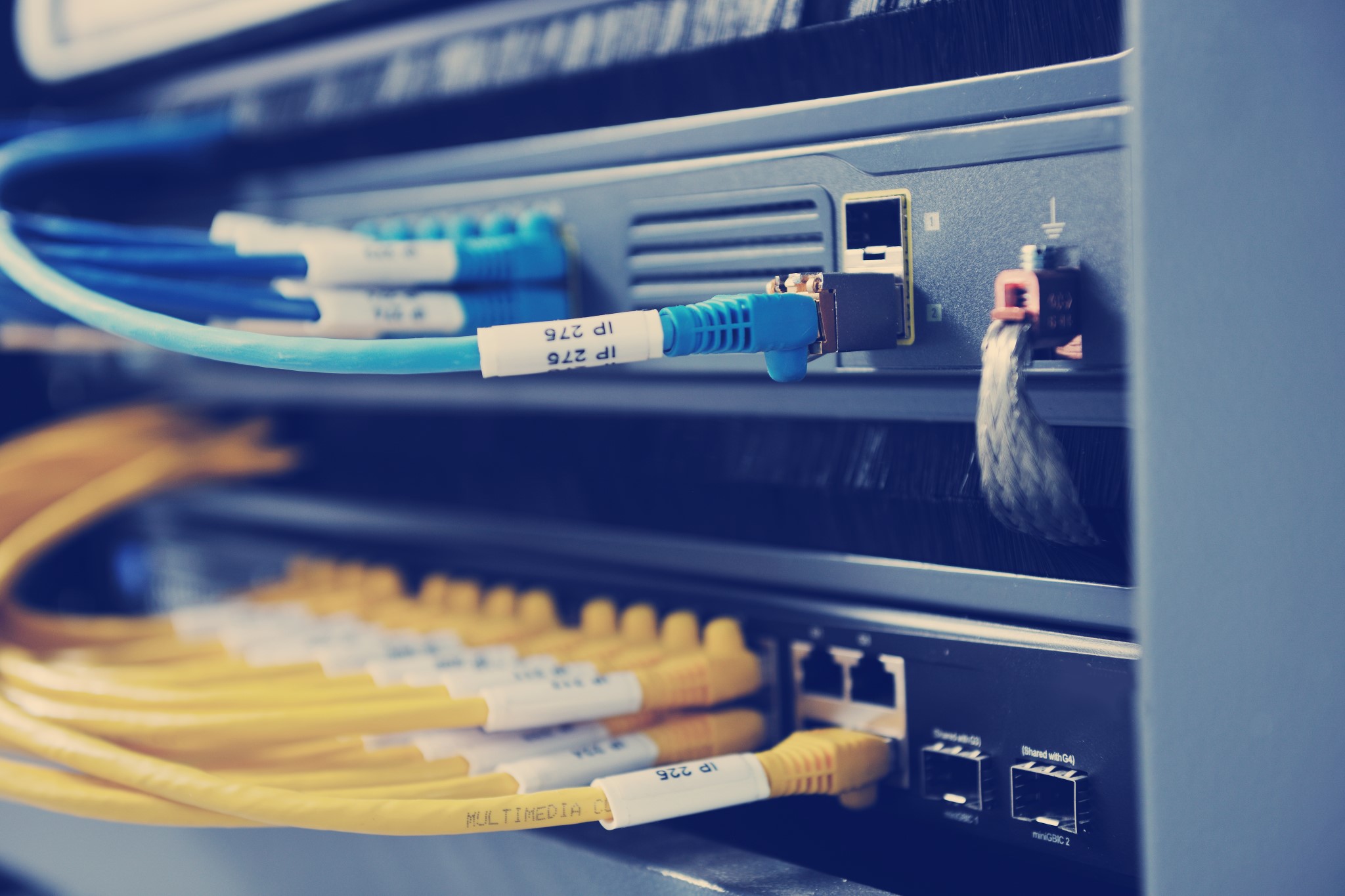
Regardless of size, a network has many computer members that can be the ultimate destination of any packet sent over it. The first point to understand in network communication is how data packets reach the correct computers or correct destinations. When we consider the internet as a whole — being spread across the entire world — we want to emphasise that there are millions of computers, and that the correct target among these computers can be reached under defined rules.
IP addresses are like national identity numbers. A state assigns an identity number to each of its citizens. In Turkey, we refer to these as TR ID numbers; they contain the relevant person’s information and, when queried, bring up that person’s record. In this respect, TR ID numbers are unique — no two people are assigned the same TR ID number, and if such a situation arises, one is understood to be fraudulent and both are subject to investigation, rendering the identity number inactive.
The same rule applies in network communication. When a computer joins a network, it is assigned an identity number. This is called an IP address. IP addresses act like a postal address, ensuring that the relevant packet reaches the correct destination.
If you think of a data packet as a letter, it must carry a neighbourhood, street address and person’s name to reach the right place. In data packets, this information is the IPv4 address. IPv4 is the most common communication protocol in today’s internet world.
IPv4 addresses consist of four blocks separated by dots, each block containing a series of up to three digits. As an example, we can give the address 192.168.1.1. Each of the numbers in the three-digit blocks must be between 0 and 255. In other words, an address like 300.400.555.666 is not possible — the maximum number must be 255. The reason for this rule is that these addresses are actually composed of binary numbers. Each block can reach up to 255 in the binary system.

First, we would like to note that 1 byte is equal to 8 bits. When converted to decimal form, an 8-bit binary number can be between 0 and 255.
Considering that IPv4 uses a 32-bit system, approximately 4.2 billion unique IP addresses can be derived. Given the billions of computers and IoT devices worldwide, we can see that this number of IP addresses is insufficient, and that we will therefore be forced to transition to an IPv6 infrastructure in the near future. As for the question of what happened to IPv5 — it was used only for testing purposes and was never active in real-world use.
A computer’s IP address provides you with a great deal of information about the network it belongs to. The first byte (first decimal number) in an IPv4 address indicates which network class the machine belongs to.
| CLASS | IP Range | Usage Type |
|---|---|---|
| A | 0–126 | Used for large networks. All addresses have been assigned. |
| B | 128–191 | Large corporate and government networks. All assigned. |
| C | 192–223 | The most common IP address group; nearing exhaustion. |
| D | 224–247 | Reserved for multicast use. |
| E | 248–255 | Reserved for experimental use. |
If you look carefully at the table, the 127 IP range is not listed in any class above. This is because IP address 127.0.0.1 denotes the local loopback of the machine you are on, regardless of the IP address assigned to your machine. This address is called the loopback address. It is used only for internal testing of the machine and does not communicate across the network.
IP addresses are divided into two types: public and private. Public IP addresses are accessible over the internet and are unique worldwide. Private IP addresses, on the other hand, are used within internal networks (such as home or office networks) and are not directly accessible from the internet.
Private IP address ranges are as follows: 10.0.0.0–10.255.255.255 (Class A), 172.16.0.0–172.31.255.255 (Class B) and 192.168.0.0–192.168.255.255 (Class C). These ranges are standardised by RFC 1918.
IP addresses are critically important in network security. Network security monitoring, firewall rules and traffic filtering all function based on IP addresses. By monitoring which IP addresses communicate with which systems, security analysts can detect anomalous traffic, identify potential attacks and take proactive defensive measures.
In particular, knowing the difference between public and private IP addresses helps network administrators correctly configure firewall rules and prevent unwanted external connections. Tracking IP addresses is also an essential part of incident response processes, helping to identify attack sources and investigate security breaches.
You May Be Interested In These