

Explore our new Cybersecurity Terms Glossary, explained by our experts.

Explore our new Cybersecurity Terms Glossary, explained by our experts.
Cybersecurity Terms Glossary
The CIS Controls are a prioritised set of 18 safeguard groups published by CIS, ordered so that the first few remove the largest share of real-world attack paths.
What Are the CIS Controls?
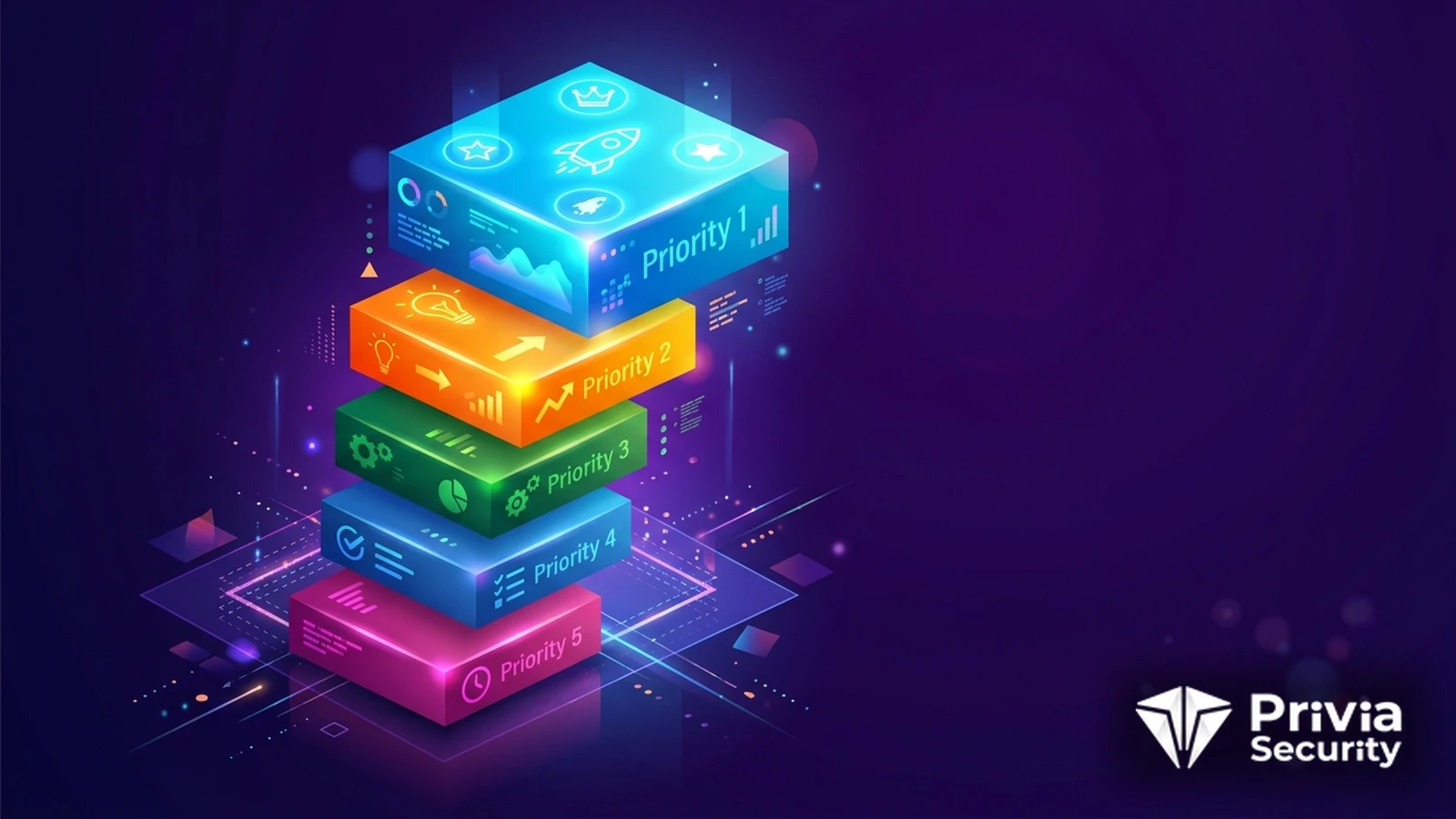
The CIS Controls are a prioritised list of defensive actions maintained by the Center for Internet Security, a non-profit body based in New York. Their defining feature is order. Rather than presenting controls alphabetically or by domain, the list starts with the measures that stop the largest proportion of observed attacks and works down. An organisation that implements the first six properly has already closed the paths used in most incidents.
Version 8 arrived in May 2021 and reorganised the set around activities instead of device ownership, acknowledging that cloud, mobile, and home working had made the network perimeter a poor organising principle. Version 8.1, published in June 2024, refreshed the mapping and added governance context without changing the structure.
Each control contains safeguards, 153 of them in total. The headline list:
The first two are deliberately placed where they are. You cannot patch, configure, or monitor an asset you do not know about, and nearly every serious incident investigation surfaces a forgotten server, an unmanaged laptop, or a development environment nobody could name an owner for.
The practical innovation of version 8 is the implementation group, which answers the question most frameworks dodge: where does a small organisation start?
| Group | Intended for | Safeguards |
|---|---|---|
| IG1 | Small organisations with limited IT expertise, protecting against untargeted attacks | 56 |
| IG2 | Organisations with dedicated IT staff managing multiple departments and sensitive data | 130 |
| IG3 | Organisations with security specialists and regulatory exposure, facing targeted attacks | 153 |
CIS describes IG1 as basic cyber hygiene and positions it as the minimum defensible standard for any organisation. The groups are cumulative: IG2 includes everything in IG1.
These are different products and the names get used interchangeably, which causes confusion in audits. The CIS Controls are the prioritised defensive actions described above. The CIS Benchmarks are detailed hardening configurations for specific technologies: Windows Server 2022, Ubuntu, Kubernetes, Microsoft 365, AWS, Cisco IOS, and more than 100 others. The Benchmarks tell you how to implement Control 4; the Controls tell you why it matters and where it sits in the queue. Both are free to download, and automated assessment tooling is available to members.
The Controls carry no legal status in the UK, which makes them a useful working framework rather than a compliance obligation. They map cleanly onto schemes that do carry weight. Cyber Essentials covers five technical control themes that correspond closely to CIS Controls 4, 5, 6, 7, and 10. ISO 27001 Annex A controls map to CIS safeguards, and CIS publishes the mapping, so a team can run its engineering backlog against CIS while reporting against the standard your certificate names. The same applies to the NIST Cybersecurity Framework and to PCI DSS.
UK organisations often pair CIS with NCSC guidance. The NCSC’s Cyber Assessment Framework sets outcomes for operators of essential services; CIS safeguards supply concrete implementation detail underneath those outcomes.
Teams that get value from the Controls do three things. They start at IG1 and finish it before reaching for advanced safeguards, resisting the pull of interesting work over necessary work. They assign each control an owner by name, not by department. And they measure implementation with evidence rather than opinion: an asset inventory is implemented when a reconciliation against network discovery produces a tolerable discrepancy, not when a spreadsheet exists.
Control 18 is penetration testing, placed last for a reason. It validates the other 17 rather than substituting for them. When you are ready for that validation, our penetration test services will tell you which safeguards are working in practice and which exist only on paper.
Yes. The Controls and the CIS Benchmarks are published free of charge after registration, and organisations may implement them without licensing cost. Paid membership adds tooling such as CIS-CAT Pro for automated configuration assessment, hardened cloud images, and community support. For most UK organisations the free documents cover everything needed to start.
The Controls are a prioritised set of 18 defensive activities describing what an organisation should do. The Benchmarks are technology-specific hardening guides describing exactly how to configure a given product, such as Windows Server 2022 or Kubernetes. Use the Controls for programme planning and the Benchmarks for engineering implementation and configuration auditing.
IG1 is the baseline for every organisation and is designed to be achievable by a small business with limited IT expertise. Move to IG2 when you hold sensitive client data, operate multiple departments, or face contractual security obligations. IG3 suits organisations with dedicated security specialists and exposure to targeted attacks, typically in regulated sectors.
Not by themselves, because no UK regulation names them. They do provide implementation detail that supports obligations which are legally relevant, including UK GDPR Article 32 security measures, the NIS Regulations, and PCI DSS. Organisations commonly certify against ISO 27001 or Cyber Essentials for assurance purposes and use CIS to drive the underlying engineering work.
You May Be Interested In These



We use a few cookies that are needed to make this website work, and they are always on. We would also like to set analytics cookies, to see which pages are useful; functional cookies, so that our live chat works; and advertising cookies, to measure our campaigns. We will not set any of those until you say yes, and you can change your mind at any time from the Cookie Settings link in the footer.
Choose the cookies you are happy for us to use. Strictly necessary cookies are always on; everything else is off until you turn it on.
These cookies keep the website working: they hold your security checks, your form submissions and the choice you make here. The site cannot run without them, so they are always on.
These let our live chat open and remember your conversation, and let the newsletter sign-up work. Switch them off and the chat window will not appear.
These tell us which pages are read and how people find us, so that we can improve the site. The reports are about groups of visitors, never about you personally.
These let us measure our advertising and show you our adverts on other websites, such as LinkedIn, Google and Meta. Switch them off and you will still see adverts, but they will be less relevant.


