
Privia Security was chosen as one of Türkiye's fastest growing companies!

Privia Security was chosen as one of Türkiye's fastest growing companies!
In a time when attacks on digital infrastructures are increasing, new variants of ransomware are emerging, and AI-powered threats are becoming more visible, it is crucial not only for organizations but also for individuals to develop cybersecurity awareness. Combating cyber threats requires not just technological solutions but also skilled and conscious human resources.
With this vision, Privia Security has been organizing the Cyber Warfare Academy for over a decade, and in 2025, the program once again drew great interest from young participants. This year, we received a record-breaking 2,940 applications. This remarkable demand is a strong indication that young people are becoming increasingly aware of digital defense and are eager to build their careers in this field.
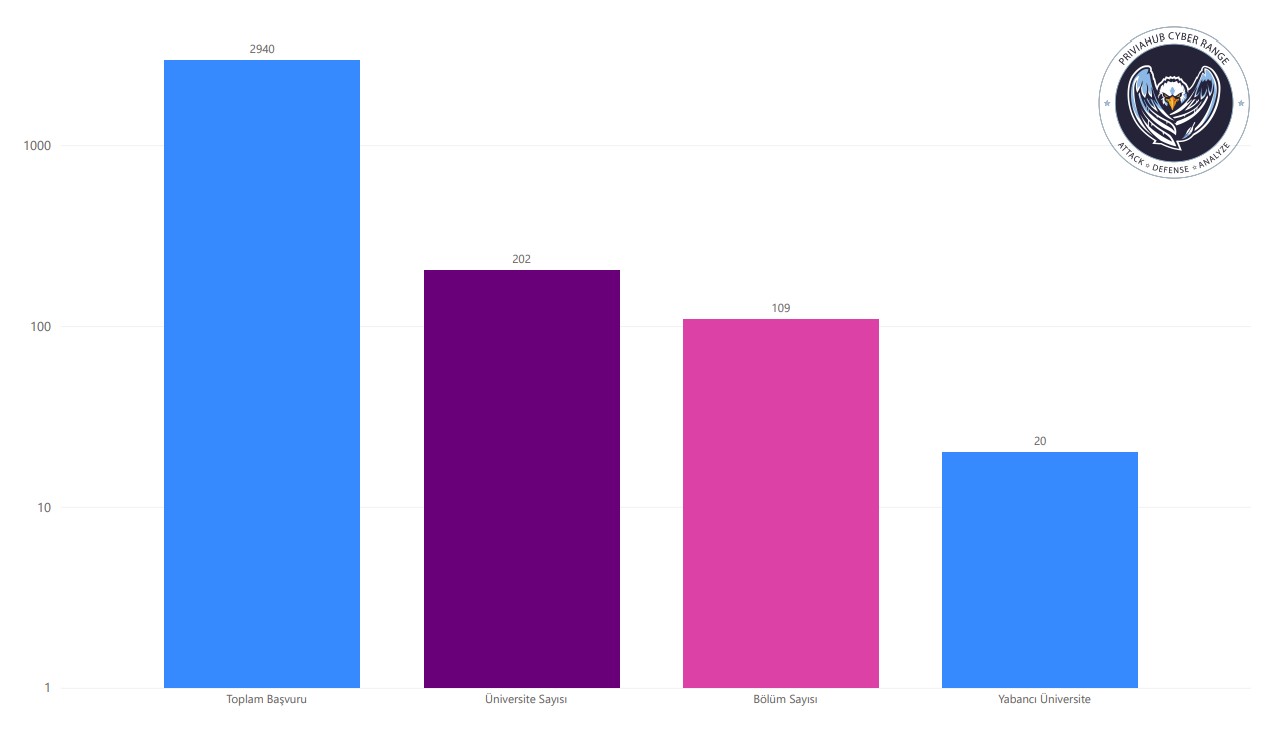
As Privia Security, we are proud to share that our 2025 program received 2,940 applications, reaching a wide audience. Applications came from 202 different universities and 109 different academic departments, clearly demonstrating the nationwide reach of our academy.
Moreover, we have observed that our program has attracted the attention of students not only from universities across Türkiye, but also from institutions in Russia, Azerbaijan, the Turkish Republic of Northern Cyprus, and various parts of Europe.
There are a total of 209 universities in Türkiye, including 131 public universities (11 technical universities, 2 fine arts universities, 1 institute of high technology, as well as the Gendarmerie and Coast Guard Academy, the Police Academy, and the National Defense University), 78 foundation universities, and 4 foundation vocational schools. Considering this, receiving applications from 202 different universities clearly demonstrates the remarkable diversity and breadth of participation in our program.
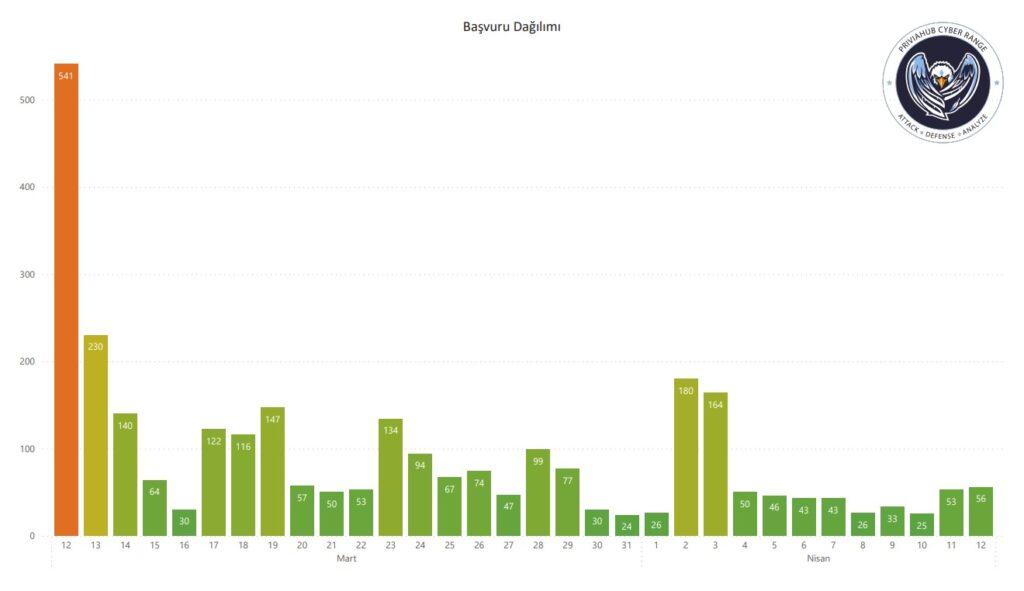
A total of 2,940 applications were submitted to the registration form within just one month. The distribution graph shows a high volume of applications during the first week, followed by a steady flow that continued until the final deadline. After the first 541 students applied, the program’s visibility quickly expanded across platforms from WhatsApp and Telegram groups to internal university communication channels.
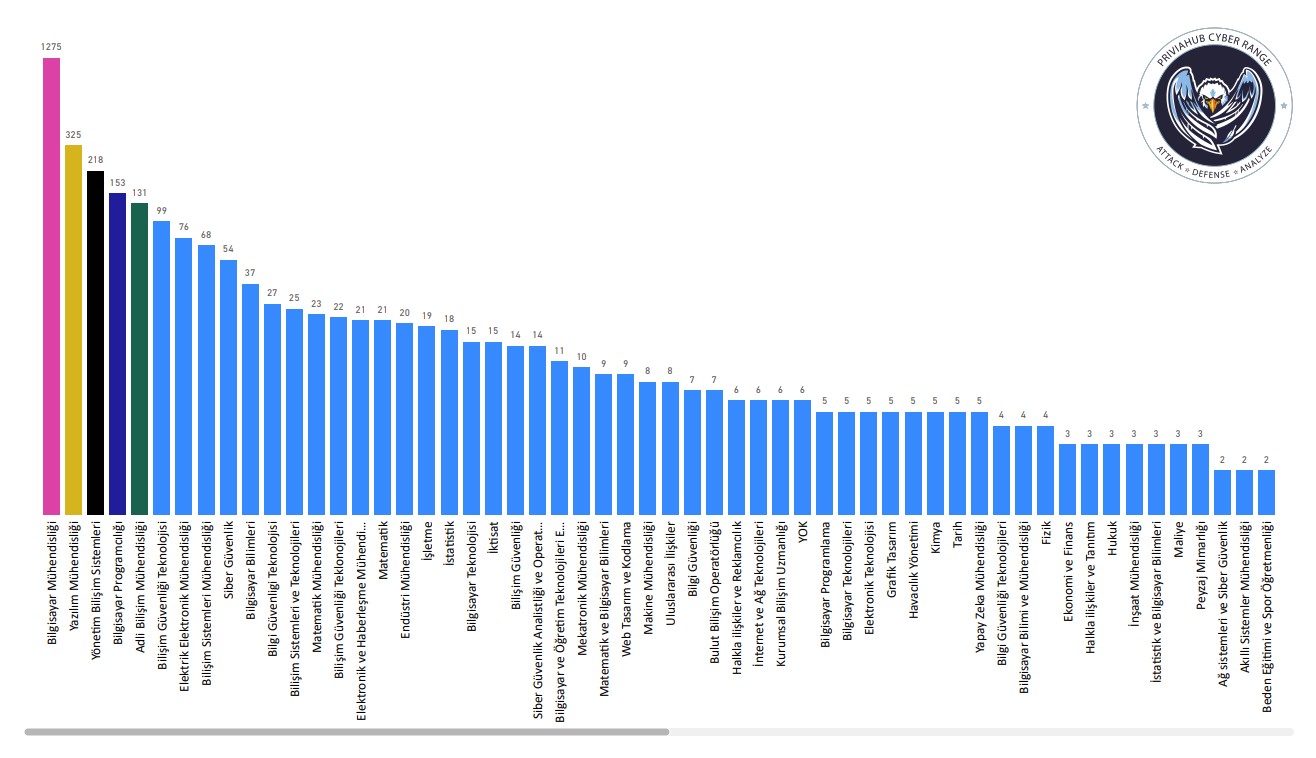
When examining applications by academic department, Computer Engineering ranks first, followed by Software Engineering and Management Information Systems, then Computer Programming and Digital Forensics Engineering. This indicates the academy is successfully reaching its target audience.
This diversity highlights that cybersecurity is no longer confined to technical disciplines — it has evolved into a multidisciplinary field. Applications from social sciences, law, communication, and business indicate growing awareness and demonstrate how different perspectives can add value to the field.
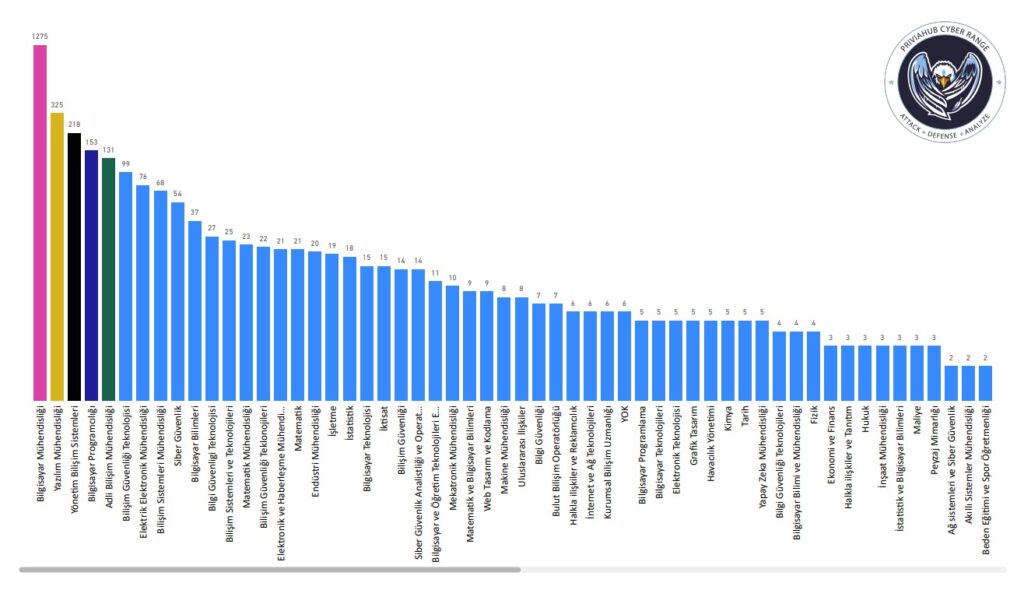
In addition to technical departments, students from social sciences, business, and art-based fields also applied. Submissions came from Chemistry, Biology, Child Development, International Trade, Econometrics, Economics, Communication, and Public Relations, among others. This clearly shows that cybersecurity is not just about writing code — it also involves analysis, strategy, communication, law, and many other areas.
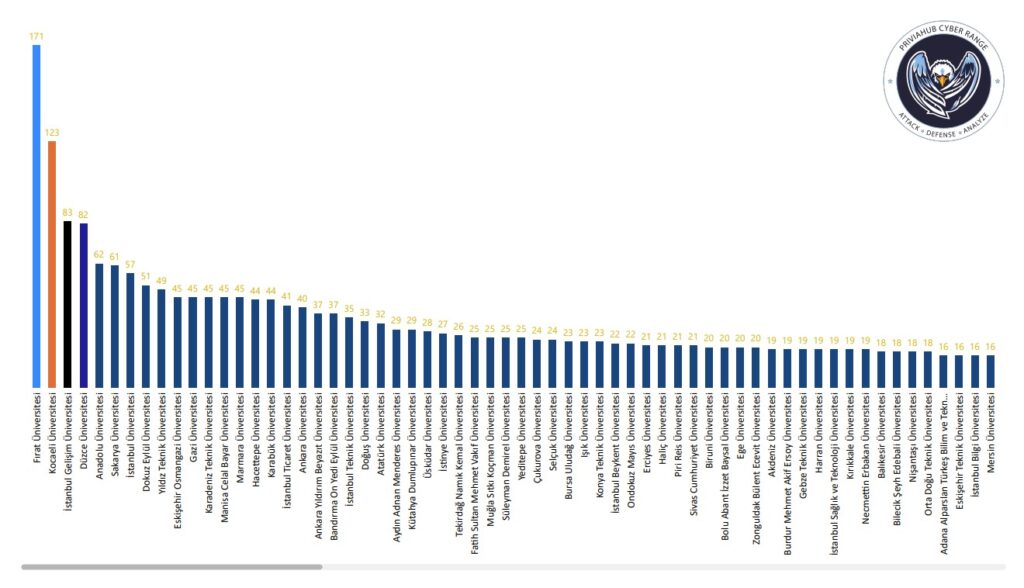
When looking at application statistics by university, Fırat University once again stands out as the institution with the highest number of applicants, particularly from the Digital Forensics Engineering department. It is followed by Kocaeli University, Istanbul Gelisim University, Düzce University, and Anadolu University.
The majority of applicants were third-year university students. The class-based distribution is as follows:
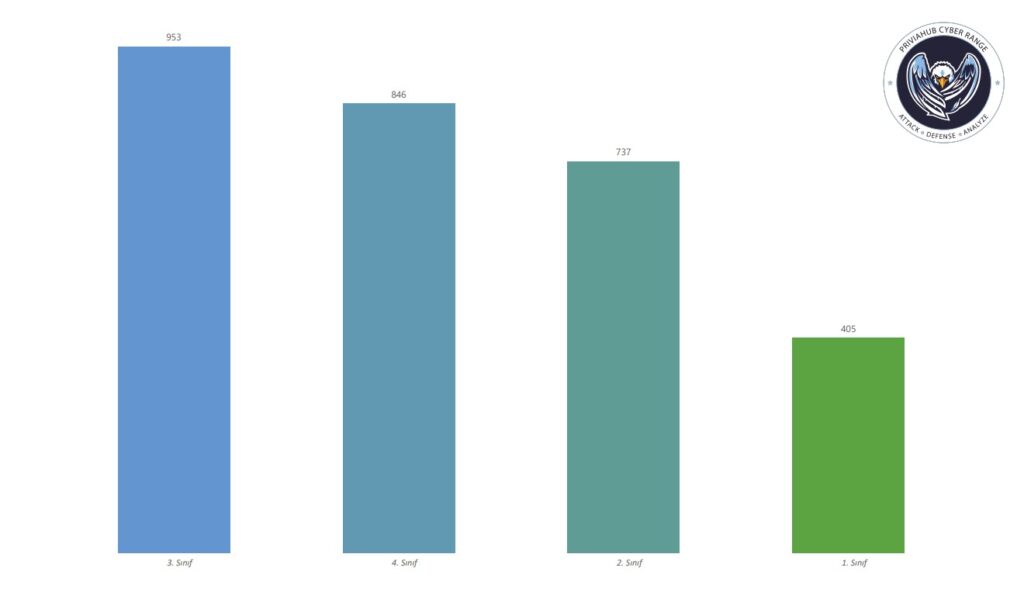
This breakdown reinforces that third-year students show the highest level of interest, reflecting their motivation to gain practical experience and prepare for future career opportunities in cybersecurity.
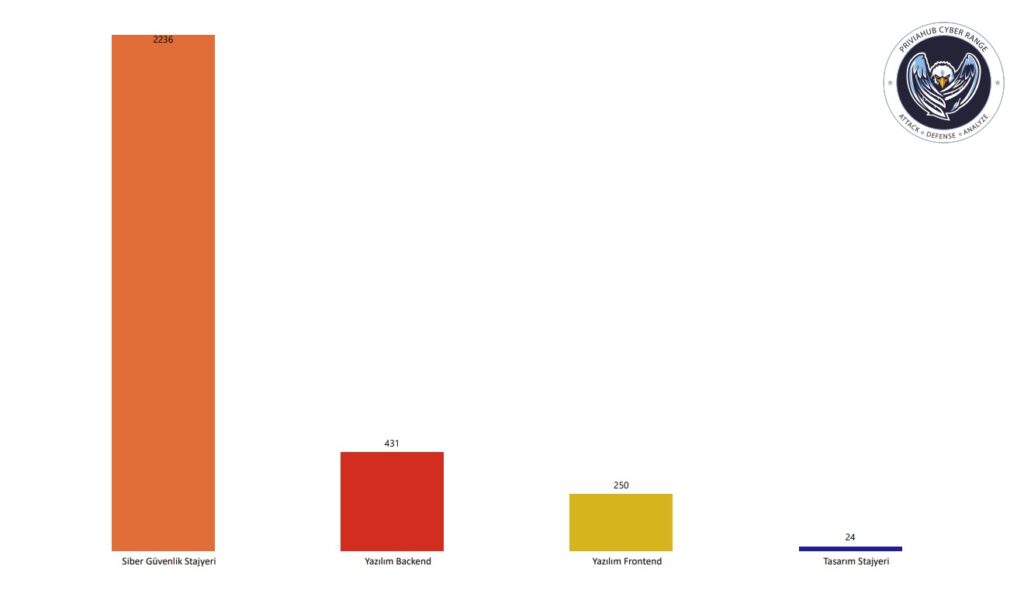
In terms of internship preferences, the “Cybersecurity Intern (Offensive / Defensive / Forensic)” position attracted the highest number of applicants with 2,236 students. It was followed by “Backend Software Development” with 431 applicants, and “Frontend Development” with 250 applicants. The “Design Internship (UI/UX, Graphic Design)” received 24 applications.
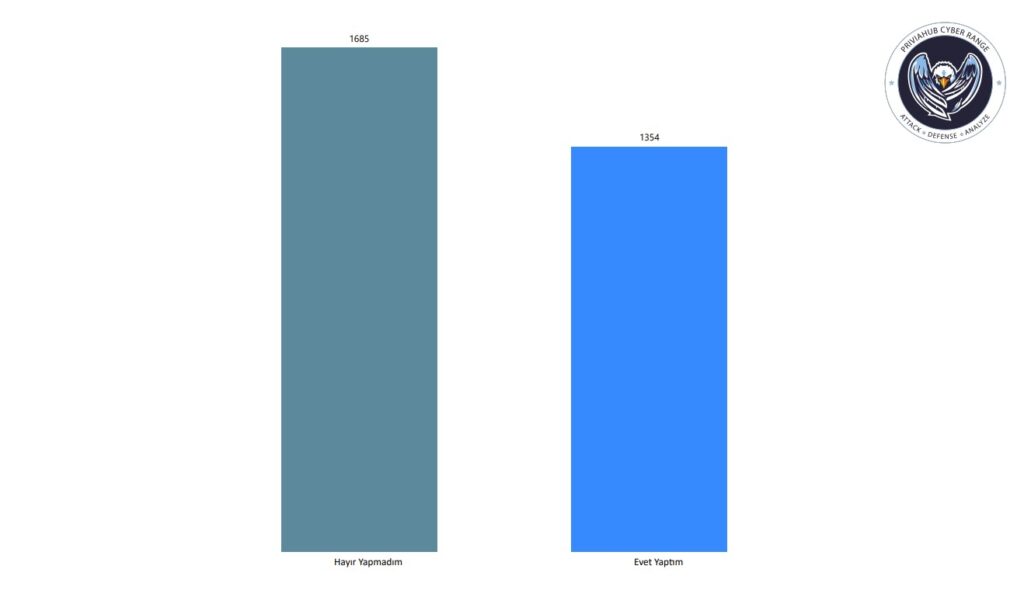
Among the applicants, 1,685 students stated they had no prior internship experience, while 1,354 students reported having completed at least one internship in a different field. For many students, the Cyber Warfare Academy represents their first step into professional life.
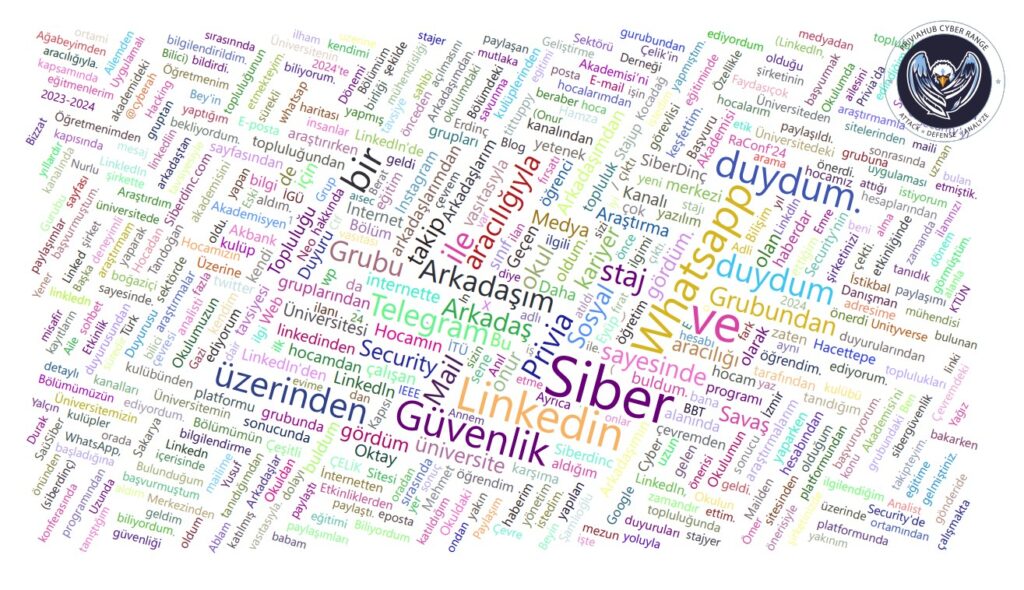
When asked how they heard about the Cyber Warfare Academy, LinkedIn emerged as the most prominent platform. Posts shared by university professors, announcements by student clubs, and recommendations from industry professionals positioned LinkedIn as the primary channel for spreading awareness. WhatsApp groups, Telegram channels, peer recommendations, university club events, and email bulletins also played a significant role.
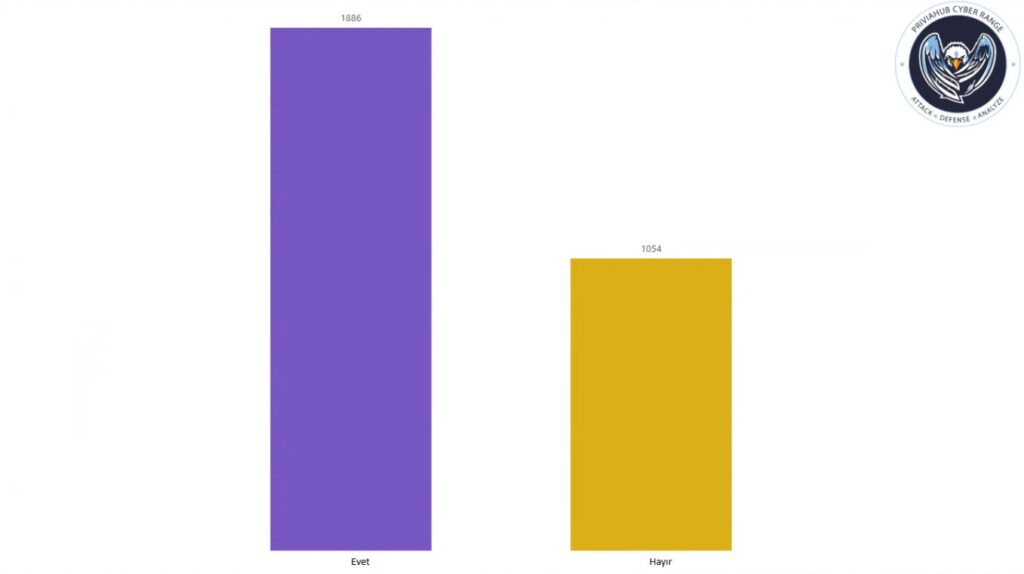
1,886 students reported having an active LinkedIn profile. This indicates growing awareness among young professionals about the importance of building a strong digital identity. On the other hand, 1,054 students do not yet have a LinkedIn account.
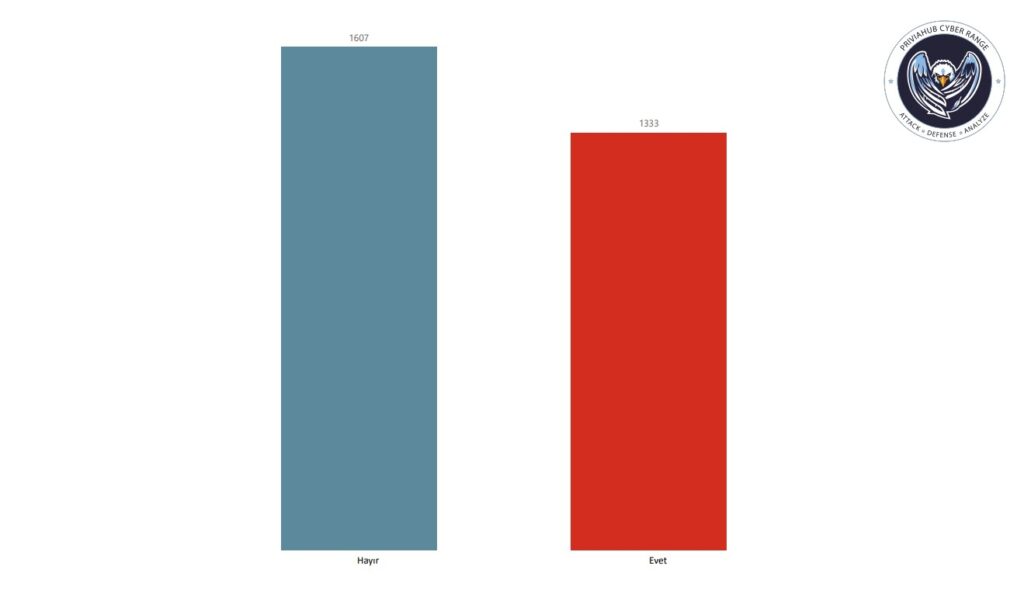
A total of 1,333 applicants stated that they actively use GitHub. In the software world, GitHub is considered a digital portfolio, and in cybersecurity it has become a valuable showcase for everything from CTF solutions to exploit development and open-source tools.
Only 267 students reported having a Twitter account, while 2,673 students stated they do not use the platform. However, Twitter remains a valuable source of information in the cybersecurity sector and continues to serve as a strong platform for sharing global threat reports, zero-day vulnerabilities, and insights from security researchers.
A total of 331 applicants indicated that they maintain an active blog page, while 2,609 students stated they do not have one. Those with blogs have already begun to leave a digital footprint in the cybersecurity field by sharing their experiences, insights, and analyses.
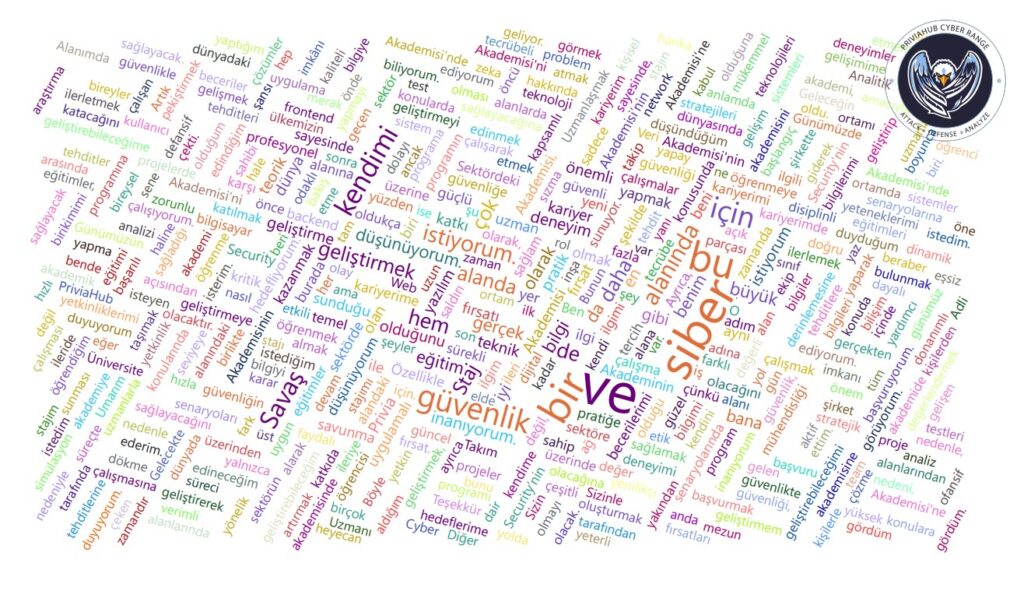
In response to the open-ended question “Why the Cyber Warfare Academy?“, phrases such as “self-improvement,” “hands-on training,” “cybersecurity career,” “simulation,” “offensive/defensive experience,” and “real-world scenarios” stood out prominently in the compiled word cloud. These recurring themes clearly demonstrate how well our program aligns with the expectations and aspirations of its target audience.
The 2,940 applications received for the 2025 Cyber Warfare Academy program represent far more than just a number; they embody the hopeful efforts of thousands of young minds eager to join the future digital defense frontline.
Students from different universities, diverse departments, and varying social media habits coming together around a shared passion is the living embodiment of our vision for a “safer digital future.”
Through this program, students will experience more than just an internship; they will gain a clear career path, a roadmap, and a strong sense of community. As Privia Security, we are committed not only to providing technical training but also to supporting the young talents who will shape the future of the industry.
We wholeheartedly congratulate all the young applicants who are eager to improve themselves, ask questions, think critically, and produce solutions. The Cyber Warfare Academy will continue to train not only today’s but also tomorrow’s cybersecurity architects.
For a safer and stronger Cyber Türkiye,
Privia Security
You May Be Interested In These