

Explore our new Cybersecurity Terms Glossary, explained by our experts.

Explore our new Cybersecurity Terms Glossary, explained by our experts.
Secure Your Digital Evidence!
The collection and preservation of digital evidence is a cornerstone of justice. Our digital forensics service ensures legally admissible evidence against cyber threats.


The Digital Forensics Service is designed to trace the footprints of cyberattacks, collect critical data, preserve digital evidence for legal proceedings, and perform thorough forensic analysis. In the aftermath of security breaches in the digital world, the preservation of digital evidence is of paramount legal importance. This service ensures that digital artefacts related to data breaches, leaks, cyberattacks, and malicious activities are securely preserved for legal and investigative use.
Through forensic analysis processes, insights into the source and nature of the attack are gathered in compliance with legal standards. These investigations reveal how the attack was carried out, which systems were affected, and what techniques were used. The analysis plays a crucial role in identifying the attacker and achieving a legally sound outcome. Advanced technologies and methodologies are used to ensure the accuracy and admissibility of forensic findings. The entire process—including incident response, evidence acquisition, and data preservation—is conducted in alignment with industry security standards and legal frameworks. Chain of custody procedures are strictly followed to maintain the legal integrity of the evidence.
The forensic process covers a broad range of activities, including data recovery, incident response, trace identification, and laboratory-based digital investigations. Our expert digital forensics team examines cyber incidents in depth, reporting digital evidence that is valid and admissible in court. The service provides a reliable flow of information required for legal proceedings, ensuring clarity and accountability in the digital domain.
The Power Behind Industry Leaders
A detailed investigation is carried out on affected systems to obtain the initial findings. Based on the collected data, the scope and potential impact of the incident are evaluated.
To ensure legal admissibility, digital evidence is collected and preserved in accordance with forensic protocols. The accuracy and integrity of the evidence are verified to eliminate any risk of tampering.
Collected data and digital artefacts are analysed to understand the incident in depth. Through forensic examination, critical insights into the nature of the attack and the perpetrators are uncovered.
The results of the forensic analysis are compiled into a clear, legally sound report, designed for both legal authorities and executive decision-makers. This step ensures the evidence is presented in a format suitable for legal proceedings.
In the aftermath of cyber incidents, preserving and examining digital traces is a critical component of the forensic process. An effective digital forensics service ensures the collection, secure storage, and legal presentation of evidence.
Leave your details and we’ll get back to you within 24 hours.
Rather than recruiting externally, Privia Security builds its expert team through its own Cyber Warfare Academy. Every engineer in the field follows the same curriculum, methodology, and reporting standards, so you receive consistent service quality on every engagement.
Engagements with organisations of every size and industry have taught us the unique risks of each environment. Test scope and methodology are tailored to your organisation’s infrastructure and priorities.
New vulnerabilities, attack techniques, and defence recommendations are published regularly, so your teams do not need a separate source to keep up with the threat landscape.
Finance is among the most tightly regulated industries, with the most sensitive data. Our testing of banking infrastructure is tailored to the industry’s expectations for scope, confidentiality, and reporting.
Since 2018, we have supported the cybersecurity operations of Turkey’s leading organisations. Our services are tailored to each organisation’s risk profile and delivered by our expert team.
Behind our long-term partnerships with organisations lie continuous support and a results-driven approach.
We aim to ensure your business’s security and continuity in the digital world by delivering expert cybersecurity solutions. We develop robust defence strategies to protect against evolving technological threats.
The Digital Forensics Service processes collected data in compliance with legal standards to provide evidence admissible in court. Chain of custody and security protocols ensure the integrity and legal value of the findings.
In-depth case analysis uncovers the origins, techniques, and propagation methods of cyberattacks. The actions and movements of attackers across the systems are identified and documented in detail.
A fast and effective forensic process supports post-incident recovery, allowing business operations to resume swiftly. Data recovery and system restoration steps help retrieve lost or damaged assets.
Insights into vulnerabilities identified during the forensic investigation enable enhancements to the organisation’s security infrastructure. It equips the security team with strategic intelligence to prevent future attacks.
Prompt and thorough forensics reduce the financial and reputational impact of cyber incidents. Rapid detection and recovery help prevent extensive data loss and minimise operational disruption.
Findings from the forensic process serve as training material, strengthening the readiness and capabilities of cybersecurity teams. Lessons learned are used to improve response strategies and incident handling skills.
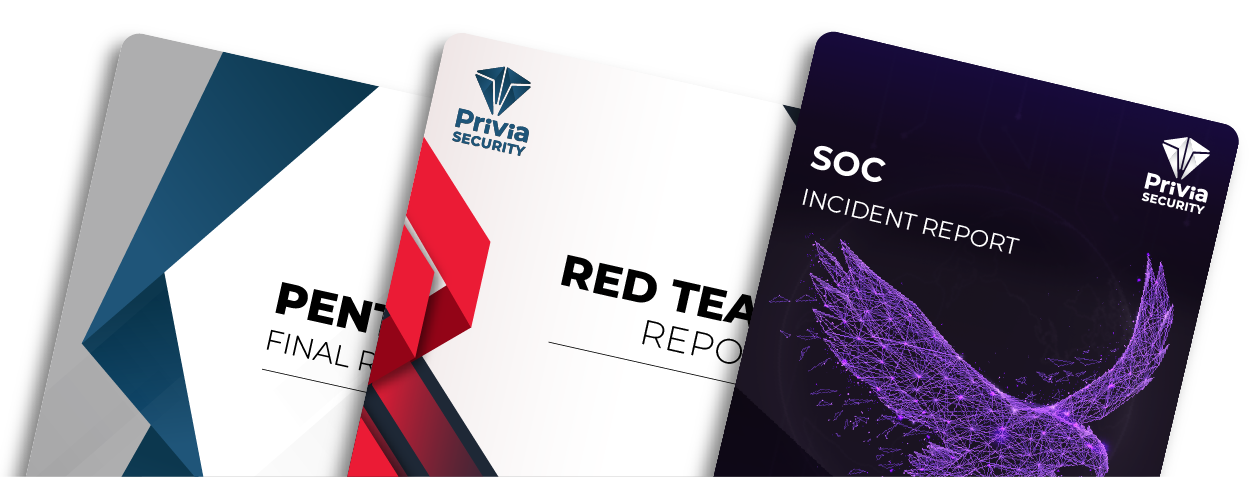
You can download the document to obtain detailed information about our service.
Timely response to cyber threats is critical. Rapid intervention minimises impact, prevents data leaks, and halts the spread of cyberattacks.
Explore Now →Our Bug-Sweeping Services detect and remove hidden surveillance devices in offices, vehicles, and private spaces—protecting confidentiality and preventing data leaks.
Explore Now →Our Secure Data Erasure Service eliminates sensitive data permanently using advanced deletion methods, minimising the risk of data leaks and compliance breaches.
Explore Now →We provide professional support around the clock to detect, analyse, and quickly respond to incidents.
Explore Now →Digital forensics encompasses detailed investigations conducted to uncover cybersecurity breaches and use digital evidence as admissible proof in legal proceedings. Through comprehensive analysis, the specifics of the attack are revealed, evidence is collected, and the sequence of events is reconstructed. Digital forensics involves examinations across various domains, including file systems, network traffic, mobile devices, and operating systems. Digital evidence plays a crucial role in clarifying incidents and is preserved securely to maintain legal validity. The findings are documented in detailed reports and serve as reliable evidence for judicial processes.
Digital forensics is carried out in a wide range of scenarios, including data breaches, cyberattacks, malware infections, and incidents of data loss. When companies or individuals fall victim to cyberattacks, the forensic process is initiated to determine the scope and impact of the attack. It is essential for identifying the source of the incident, the techniques and tools used by attackers, and the overall scale of the breach. Most importantly, digital forensics plays a critical role in collecting and preserving evidence that will be used in legal proceedings.
Digital forensics employs a variety of specialised software and tools. Prominent among them are EnCase, FTK (Forensic Toolkit), X-Ways Forensics, and Autopsy. For analysing network traffic, tools like Wireshark are used to trace attack vectors and techniques. These tools gather traces of the attack and analyse user activity and system logs. Hashing algorithms are also used to ensure the integrity of collected evidence throughout the investigation.
During the evidence collection phase, digital traces present at the incident scene are identified, acquired using appropriate forensic tools, and stored securely. To ensure the integrity and admissibility of the evidence, the Chain of Custody protocol is strictly followed. The collected data is preserved using specialised storage methods that comply with legal standards. Security controls are implemented to prevent unauthorised access, and every interaction with the evidence is logged to ensure legal compliance and traceability.
Digital forensic reports are detailed documents that outline the attack and the associated digital evidence. These reports explain how the incident occurred, which systems were affected, and the attacker’s movements across the network. Prepared specifically for use in judicial processes, these reports contain all relevant findings and present them in a format understandable to all parties involved. Technical details and the supporting evidence on which conclusions are based are also included to ensure credibility and transparency in court.
The duration of the digital forensic process depends on the complexity of the incident and the volume of digital evidence to be collected. In simple data breach cases, the process may take a few days, whereas large-scale attacks may require weeks or even months. Each stage—evidence collection, analysis, and reporting—is time-consuming. Forensics involving large-scale, distributed networks or numerous assets typically requires more time. Additionally, system remediation or reconfiguration may extend the overall process timeline.
Yes, digital forensics can largely determine the source of an attack. During the analysis, the attacker’s IP address, ports, malware used, and actions performed on the system are identified. The gathered data reveals which devices initiated the attack and how it was carried out. Network and system logs are particularly valuable for tracing the attacker’s path in detail. Identifying the origin of the attack is crucial for legal proceedings and holding the perpetrator accountable.
The chain of custody is a documented process that tracks who handled the digital evidence at each stage and how it was processed. It ensures the legal admissibility of the evidence by maintaining a continuous, verifiable record. Every action—collection, storage, and analysis—is logged to uphold integrity and reliability. Through this process, all handling steps of the evidence become traceable, guaranteeing that the data remains untampered and legally valid.
Security vulnerabilities are identified by analysing digital traces and system logs. Detailed examination of the affected systems uncovers the weaknesses exploited by attackers. In particular, network traffic and file system changes are reviewed to pinpoint the root causes. These findings are instrumental in post-incident system improvements and in patching existing security gaps, helping organisations prevent similar future attacks.
We use a few cookies that are needed to make this website work, and they are always on. We would also like to set analytics cookies, to see which pages are useful; functional cookies, so that our live chat works; and advertising cookies, to measure our campaigns. We will not set any of those until you say yes, and you can change your mind at any time from the Cookie Settings link in the footer.
Choose the cookies you are happy for us to use. Strictly necessary cookies are always on; everything else is off until you turn it on.
These cookies keep the website working: they hold your security checks, your form submissions and the choice you make here. The site cannot run without them, so they are always on.
These let our live chat open and remember your conversation, and let the newsletter sign-up work. Switch them off and the chat window will not appear.
These tell us which pages are read and how people find us, so that we can improve the site. The reports are about groups of visitors, never about you personally.
These let us measure our advertising and show you our adverts on other websites, such as LinkedIn, Google and Meta. Switch them off and you will still see adverts, but they will be less relevant.


