

Explore our new Cybersecurity Terms Glossary, explained by our experts.

Explore our new Cybersecurity Terms Glossary, explained by our experts.
By Your Side in Cyber Incidents!
We provide professional support around the clock to detect, analyse, and quickly respond to incidents.


The Incident Response Service is a comprehensive security solution designed to enable organisations to quickly react to cyberattacks and security breaches. Given the rapidly evolving nature of cyber threats, effective incident response plays a critical role in maintaining business continuity. Depending on the scale of the incident, the most appropriate response strategy is determined and executed.
During the incident response process, detecting threats and effectively isolating them are top priorities. The security team promptly acts based on identified threats, leveraging technologies that enable real-time monitoring and rapid response. Isolation measures are implemented to minimise the impact of the incident.
Threats can originate internally—from employee mistakes or malicious insiders—or externally from cybercriminals or competing organisations. The incident response process is designed with a broad perspective to address all these threat sources. Post-incident forensic analyses involve detailed investigations to determine the cause and origin of the attack. This forensic process helps security teams trace attack footprints and take preventive actions against similar threats.
Additionally, the Incident Response Service supports organisations in complying with legal requirements by collaborating with regulatory bodies and providing necessary reporting during security breach situations.
The Power Behind Industry Leaders
A detailed analysis process is conducted to identify the source of threats and assess potential risks. Measures are taken to ensure threats are contained before spreading across the organisation.
The initial response aims to protect other critical assets within the organisation. Swift action during this phase prevents the attack from causing broader damage.
Monitoring data and log records are analysed to determine the attack’s origin and method. The impact and risks posed by the incident on systems are evaluated.
After incident response, systems are securely restored and recovery processes begin. Necessary improvements are implemented in the infrastructure once systems are secured.
Instant response to cyber incidents ensures threats are quickly contained and security is restored to normal.
Leave your details and we’ll get back to you within 24 hours.
Rather than recruiting externally, Privia Security builds its expert team through its own Cyber Warfare Academy. Every engineer in the field follows the same curriculum, methodology, and reporting standards, so you receive consistent service quality on every engagement.
Engagements with organisations of every size and industry have taught us the unique risks of each environment. Test scope and methodology are tailored to your organisation’s infrastructure and priorities.
New vulnerabilities, attack techniques, and defence recommendations are published regularly, so your teams do not need a separate source to keep up with the threat landscape.
Finance is among the most tightly regulated industries, with the most sensitive data. Our testing of banking infrastructure is tailored to the industry’s expectations for scope, confidentiality, and reporting.
Since 2018, we have supported the cybersecurity operations of Turkey’s leading organisations. Our services are tailored to each organisation’s risk profile and delivered by our expert team.
Behind our long-term partnerships with organisations lie continuous support and a results-driven approach.
To build an effective cyber defence layer, it is essential to understand the mindset and techniques of adversaries. Discover Privia Security — trusted by Turkey’s leading organisations for its expertise and comprehensive cybersecurity solutions.
When a threat is detected, cybersecurity teams act swiftly to prevent its spread. Quick intervention minimises data loss and operational disruptions.
The incident response process prevents operational interruptions during cyber attacks. Rapid recovery after security breaches keeps business processes running smoothly.
Post-incident, vulnerabilities are rapidly addressed to protect against future threats. Cybersecurity teams analyse and fix weaknesses uncovered after an attack.
Incident Response Services help organisations comply with cybersecurity standards and legal regulations. All necessary notifications and reports to regulatory bodies are provided accurately.
Effective communication during incident response ensures coordinated crisis management. Fast information flow among internal stakeholders enables synchronised action by security teams.
Data gathered from security incidents contributes to the continuous update of organisational security policies. Post-attack analyses identify needed improvements in the security infrastructure.
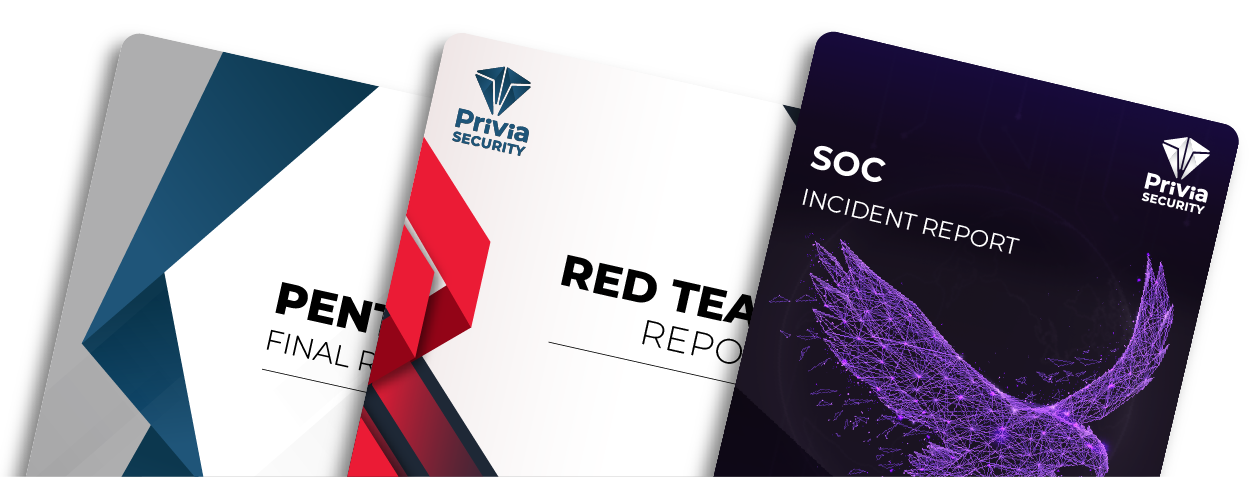
You can download the document to obtain detailed information about our service.
Effective cybersecurity starts with a comprehensive understanding of the risks your organisation may face.
Explore Now →A robust SOC adds value by rapidly detecting threats and responding instantly, enhancing your organisation’s cybersecurity.
Explore Now →With advanced threat intelligence and continuous monitoring, we meet the cybersecurity needs of organisations in a global threat landscape.
Explore Now →A critical complement to security operations centres (SOCs), enabling rapid detection of cyberattacks, vulnerabilities, and real-time incident response.
Explore Now →Incident Response Service enables organisations to respond quickly and effectively to cyber threats, minimising data leaks, loss, and operational disruptions. Immediate detection and containment of security breaches help mitigate negative impacts. In today’s increasing threat landscape, incident response is a critical component of cybersecurity. A rapid, effective response process ensures vulnerabilities are addressed and preventive measures are implemented to avoid recurrence.
Response begins with incident detection followed by a swift analysis. The source and scope of the breach are identified to neutralise the threat. While isolating and analysing the threat, risks of further spread are assessed and controlled. Security teams take remediation steps to minimise damage. Afterward, a detailed investigation and reporting phase analyses the impact on systems and applications.
The initial steps are detecting and isolating the attack rapidly. Identify the source and scope, and isolate affected systems to prevent spread. Maintain detailed logs from the onset and record all attack-related data. Once the damage extent is understood, start remediation processes. Inform relevant departments and management, and document the incident.
The process includes threat detection, initial response, analysis, isolation, recovery, and remediation. First, abnormal activities are monitored and threats detected swiftly. Next, threats are isolated to prevent further spread. Then, the source and method of attack are deeply analysed. Finally, systems are restored and vulnerabilities fixed.
In case of a breach, top management, security teams, and necessary regulatory bodies are informed. Security teams evaluate the incident’s impact and brief management. Coordination with internal departments is maintained with continuous communication. Required reports are submitted to regulators to ensure legal compliance.
Incident Response Service should be regularly tested through drills and simulations to measure how teams react in crises. Tests must be based on realistic scenarios ensuring security teams coordinate effectively. After each test, weaknesses should be reviewed and areas needing improvement identified. Updates to the service require examining emerging threats and attack techniques, implementing necessary countermeasures. New security protocols and technologies must be integrated into the service. Deficiencies and vulnerabilities found during drills are remediated, and response procedures updated accordingly.
Technologies used in incident response include SIEM (Security Information and Event Management), EDR (Endpoint Detection and Response), SOAR (Security Orchestration, Automation, and Response), and threat intelligence tools. SIEM analyses events in real time to quickly detect security breaches. EDR solutions monitor endpoints for anomalous activities and automatically respond to threats. SOAR platforms automate incident response workflows to enable faster reactions.
During incident response, a detailed reporting process is conducted to analyse the attack’s impact and damages. Reports detail the source, type, duration, and propagation method of the attack. They specify affected systems and compromised data. Based on all collected information, vulnerabilities are analysed and preventive measures recommended. Reporting is critical for guiding post-incident remediation and preparing defences against future threats. Additionally, these reports serve as informative documents for regulatory bodies and senior management.
We use a few cookies that are needed to make this website work, and they are always on. We would also like to set analytics cookies, to see which pages are useful; functional cookies, so that our live chat works; and advertising cookies, to measure our campaigns. We will not set any of those until you say yes, and you can change your mind at any time from the Cookie Settings link in the footer.
Choose the cookies you are happy for us to use. Strictly necessary cookies are always on; everything else is off until you turn it on.
These cookies keep the website working: they hold your security checks, your form submissions and the choice you make here. The site cannot run without them, so they are always on.
These let our live chat open and remember your conversation, and let the newsletter sign-up work. Switch them off and the chat window will not appear.
These tell us which pages are read and how people find us, so that we can improve the site. The reports are about groups of visitors, never about you personally.
These let us measure our advertising and show you our adverts on other websites, such as LinkedIn, Google and Meta. Switch them off and you will still see adverts, but they will be less relevant.


